 Brighton Burst PipeBurst Pipe Repair · Brighton, CO

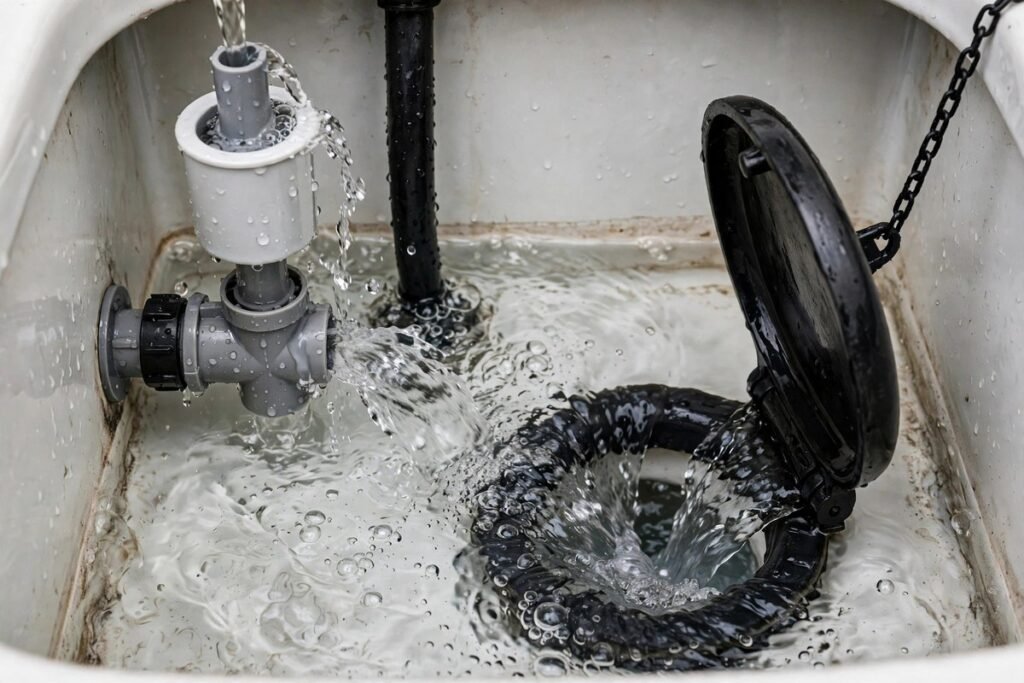
A toilet that keeps running is easy to ignore — a faint hiss from the cistern, a refill every few minutes, a water bill that creeps up. But a running toilet is wasting water all day and all night, and it is usually caused by one of a handful of small parts inside the cistern. Most of those parts are cheap, and most running toilets can be diagnosed in a few minutes, once you know what to look for.
This guide explains why a toilet keeps running, how to find the cause, the parts that usually fix it, and when to call a provider instead of trying to fix it yourself. It is written for Brighton homes, where hard water can wear cistern parts out faster than soft water would. Brighton Burst Pipe is a referral service, not a plumbing company: when you call (720) 918-0220, we connect you with an independent local provider who can diagnose the fault and quote for the repair.
How does a toilet cistern work?
Understanding the cistern makes the diagnosis much easier. When you flush, the flapper or flush valve at the bottom of the cistern lifts, water flows into the bowl, and the cistern empties. As the water level falls, the float drops, the fill valve opens, and water refills the cistern. When the water reaches the set level, the float rises, the fill valve closes, and the toilet is ready for the next flush. The overflow tube is a safety part: if the water rises too high, it flows into the overflow tube and into the bowl, instead of onto the floor.
A running toilet is a toilet where that cycle never properly stops. Either water is leaking from the cistern into the bowl, so the fill valve keeps topping it up, or the fill valve itself is not closing, so water keeps flowing in. Both causes are common, both are easy to tell apart once you know how, and both are usually fixed by replacing a single part.
Is the flapper the cause?
The flapper is the most common cause of a running toilet. It is a rubber disc or seal at the bottom of the cistern that lifts when you flush and drops back to seal the cistern afterwards. Over time, rubber hardens, warps, or is damaged by cleaning chemicals, and it no longer seals properly. Water then leaks slowly from the cistern into the bowl, the water level falls, and the fill valve opens to top it up — again and again, all day.
There is a simple test. Put a few drops of food colouring in the cistern water, wait 15 minutes without flushing, and look in the bowl. If the bowl water is coloured, water is leaking from the cistern into the bowl, and the flapper or flush valve seal is the likely cause. Brighton hard water, at 15–20 grains per gallon, can also leave mineral deposits on the flapper seat, stopping it sealing properly — a provider can clean or replace the seal, and the site publishes no figure for that part, so the cost drivers are the part and the labour, not an invented price.
Check the chain as well. The chain from the flush handle to the flapper should have a little slack. If it is too short, it holds the flapper slightly open; if it is too long, it can get caught under the flapper and hold it open. Either way, the toilet runs. Adjusting the chain is a free fix, and it is worth trying before you replace any part.
Is the fill valve the cause?
The fill valve, sometimes called the ballcock, controls the water coming into the cistern. If it is worn, clogged with sediment, or set too high, it may not close properly, and water keeps flowing in. The sign is usually water flowing into the overflow tube, or a fill valve that hisses or will not stop. Lift the cistern lid and watch: if the water level is at or above the top of the overflow tube, the fill valve is set too high, or it is not closing.
The water level should sit about an inch below the top of the overflow tube. Most fill valves have an adjustment screw or clip to lower or raise the float — lower it a little, flush, and watch whether the water stops at the right level. If the valve is old, noisy, or will not adjust, it probably needs replacing. A fill valve is a common part, and a provider can replace it without replacing the whole toilet.
Is the water level set too high?
A water level set too high is a simple cause with a simple fix, and it is worth checking before you buy parts. If the water rises above the overflow tube, it flows straight into the bowl, the fill valve keeps running to replace it, and the toilet never stops. Adjust the float down, so the water stops about an inch below the overflow tube, and test it by flushing and watching the refill. If the water still rises too high, the fill valve itself is the problem, not the setting.
High water pressure in the house can also cause a fill valve to struggle to close, and it can make a toilet run or refill noisily. If several taps in the house are affected, or the toilet runs after the pressure has changed, tell the provider — the cause may be in the supply, not in the cistern.
How can you fix a running toilet step by step?
- Step 1 — Lift the cistern lid and watch. Is water flowing into the overflow tube, or is the level falling and the fill valve topping it up? That tells you whether the fill valve or the flapper is the cause.
- Step 2 — Do the food colouring test. A few drops in the cistern, 15 minutes without flushing, and coloured water in the bowl means the flapper or flush valve seal is leaking.
- Step 3 — Check the chain. It should have a little slack. Adjust it so it does not hold the flapper open and does not get caught under it.
- Step 4 — Adjust the water level. Lower the float so the water stops about an inch below the top of the overflow tube, then flush and watch the refill.
- Step 5 — Clean the flapper seat. If the seat is coated in mineral scale from Brighton hard water, clean it gently. If the flapper itself is warped or hardened, it needs replacing.
- Step 6 — Replace the part. If adjustment and cleaning do not stop the running, replace the flapper, the fill valve, or both. Take the old part with you, or note the make and model of the toilet, so you buy the right replacement.
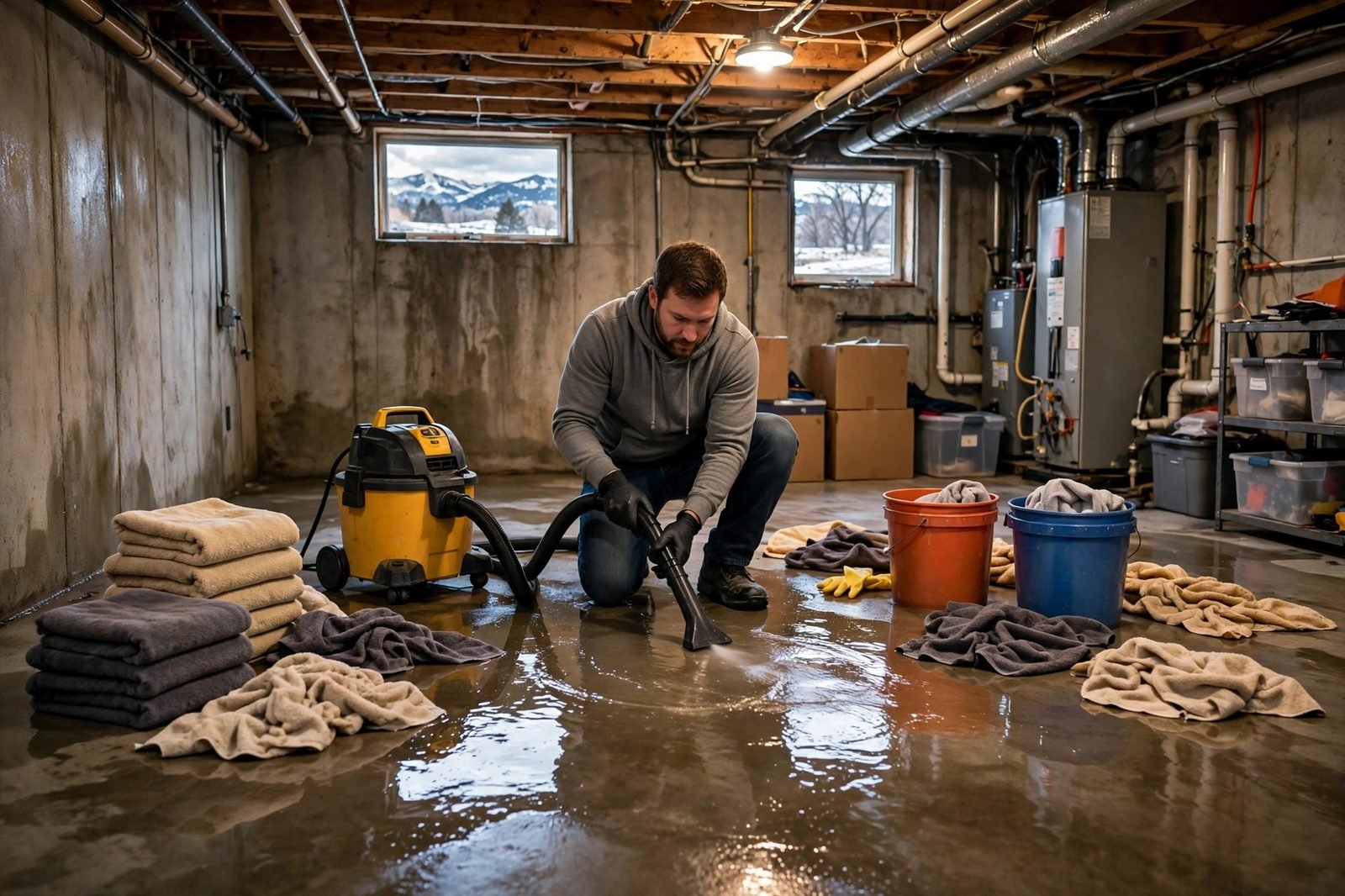
Turn off the water to the toilet before you replace a part — there is usually a shut-off valve on the wall behind or beside the toilet. Flush to empty the cistern, and have a towel ready. If you are not confident, or the shut-off valve will not turn, stop and call a provider. A running toilet is not an emergency, but a flooded bathroom is, and forcing a seized valve can cause one.
When should you call a provider instead?
- Water is leaking from the base of the toilet. That is not a cistern problem — it may be a failed wax ring or a cracked toilet, and it needs a provider.
- The shut-off valve will not turn, or it leaks. Do not force it.
- The toilet has been repaired before and still runs. A second failure may mean the flush valve seat is damaged, or the toilet itself is worn.
- Several fixtures are affected. If the toilet runs and other taps are affected too, the cause may be in the water supply or the pressure, not in the cistern.
- You are not sure which part to replace. A provider can diagnose the fault in one visit, and the site publishes no figure for a toilet repair, so the cost drivers are the part, the labour, and access — ask for a quote before work starts.
How much water does a running toilet waste?
A running toilet wastes water continuously, and the amount depends on how fast it is leaking — a slow leak from a flapper wastes less than a fill valve that never closes, but both add up over days and weeks. The site publishes no figure for the volume wasted, and it would be misleading to invent one, so the honest answer is that the only way to know is to fix it and watch the bill. What is certain is that a toilet that refills every few minutes is using water you are paying for, and that the part that fixes it is usually a small one.
The cost of a repair is driven by the part, the labour, and whether the toilet needs to be removed to reach the fault. Labour on this site is listed at $100–$350 per hour, and an emergency call-out at $100–$300 — but a running toilet is rarely an emergency, and a scheduled visit is usually cheaper than an emergency call. Ask for the diagnosis, the part, and the labour to be listed separately, and ask what would make the price change once work starts.
Frequently Asked Questions
Why does my toilet keep running?
Usually a worn flapper that no longer seals, a fill valve that does not close, or a water level set too high. The food colouring test — a few drops in the cistern, 15 minutes without flushing — shows whether water is leaking from the cistern into the bowl.
How do I stop my toilet running?
Check the chain, adjust the water level so it stops about an inch below the overflow tube, and clean the flapper seat. If that does not work, the flapper or the fill valve usually needs replacing.
Is a running toilet an emergency?
No, not usually — but it is wasting water, and it should be fixed soon. If water is leaking from the base of the toilet, or the floor is wet, turn off the water to the toilet and call for help.
Can hard water cause a toilet to run?
Yes. Brighton water is very hard, at 15–20 grains per gallon, and mineral scale can build up on the flapper seat and inside the fill valve, stopping them sealing or closing properly.
Should I replace the toilet or just the part?
Usually just the part. A flapper or a fill valve is a common part, and a provider can replace it without replacing the whole toilet. If the toilet is old, cracked, or has needed repeated repairs, ask for a replacement quote as well, so you can compare them.
How much does it cost to fix a running toilet?
The site publishes no figure for a toilet repair. The cost is driven by the part, the labour — listed on this site at $100–$350 per hour — and whether the toilet needs to be removed. Ask for a quote before work starts.
Toilet keeps running in Brighton?
If your toilet hisses, refills every few minutes, or will not stop running after you have checked the chain and the water level, do not leave it — it is wasting water every hour it runs. Call (720) 918-0220 and we will connect you with an independent local provider in the Brighton area who can diagnose the fault, explain which part needs replacing, and quote for the repair. Tell them what you have tried already and what the food colouring test showed — that helps them bring the right part and give you a clear price.