 Brighton Burst PipeBurst Pipe Repair · Brighton, CO
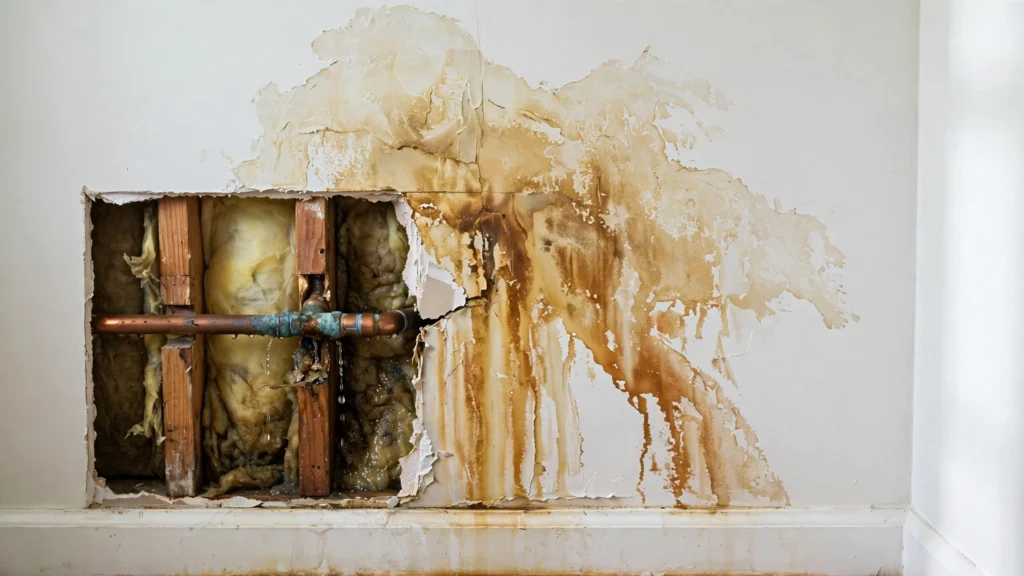
Brighton water is very hard — 15–20 grains per gallon, according to the figures published on this site — and that hardness is doing quiet damage all over your home, whether you notice it or not. It leaves white crust on taps, spots on glasses, scale inside your water heater, and mineral build-up in pipes that narrows them year by year. Most Brighton homeowners live with the signs for years before they connect them to the water itself.
This guide explains the seven signs that Brighton hard water is damaging your plumbing, what each one means, and what you can do about it — from simple cleaning to a water softener. Brighton Burst Pipe is a referral service, not a plumbing company: when you call (720) 918-0220, we connect you with an independent local provider who can test your water, check your heater and pipes, and quote for the work.
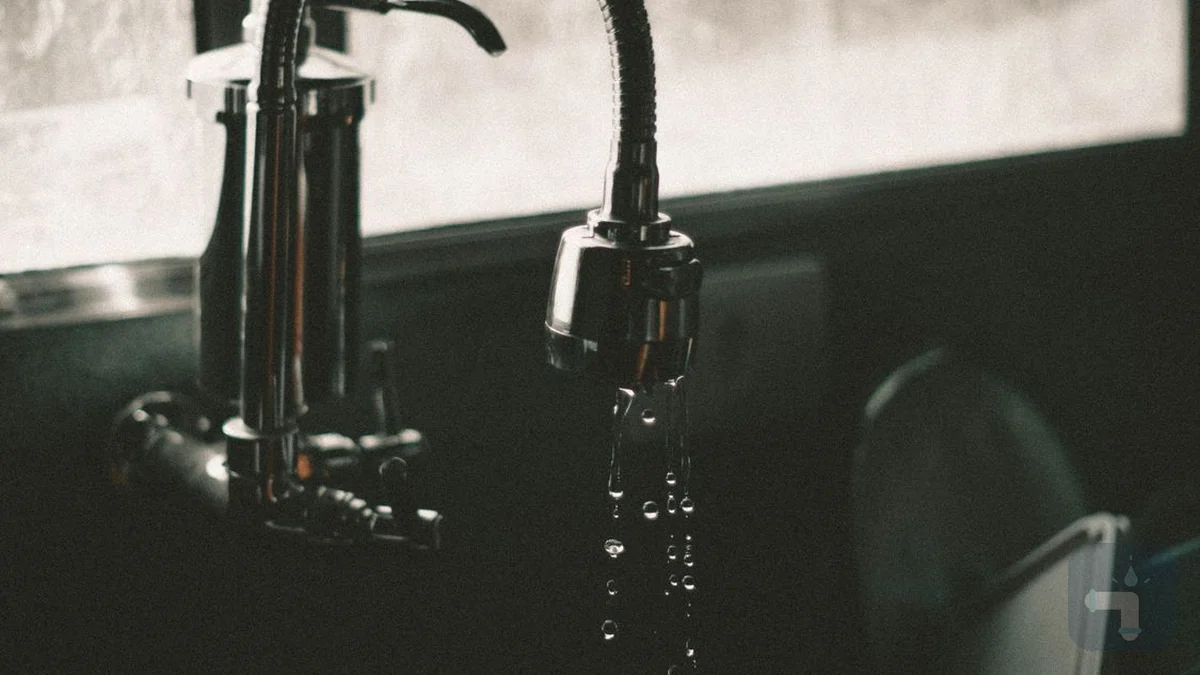
Do you see white scale on taps and shower heads?
White, chalky deposits around taps, shower heads, and kettle elements are the most visible sign of hard water. When hard water evaporates, it leaves behind the minerals it carried — mostly calcium and magnesium — as a white crust. That crust is not just cosmetic: the same deposits are building up inside your pipes, your water heater, and your appliances, where you cannot see them.
Clean scale from taps and shower heads regularly, and soak shower heads in a descaling solution when the spray becomes uneven. If scale returns within weeks of cleaning, the water is doing the same thing inside your pipes. A water softener is the only way to stop new scale forming, because it removes the minerals before they reach your plumbing.
Are your dishes and glasses spotted after washing?
Spots and a cloudy film on glasses and dishes, even after a full wash cycle, are a classic hard water sign. The minerals in the water dry on the glass and leave a spot, and over time the film builds up and the glass looks permanently cloudy. Using more detergent does not fix it — it can make the film worse — and rinsing by hand does not help either, because the water itself is the cause.
Spotted dishes are annoying, but they are also a warning: if the water is leaving that much mineral behind on a glass, it is leaving the same mineral behind inside your dishwasher, your washing machine, and your water heater. Appliances that run in hard water wear out faster, use more energy, and need more repairs than the same appliances in soft water.
Is your skin dry and your hair dull after showering?
Hard water does not rinse soap away cleanly. It leaves a thin film of soap and minerals on skin and hair, which can make skin feel dry and itchy, and hair feel dull, heavy, and hard to manage. Laundry washed in hard water can feel stiff and look dull too, and towels lose their softness over time. None of those are plumbing damage in themselves, but they are signs of the same water that is damaging your pipes — and they are often the first signs a household notices.
Is your water pressure falling?
Scale builds up inside pipes, narrowing them over time until water can barely pass. A tap that was strong ten years ago and is now weak, a shower that has gone from a strong spray to a dribble, or a house where the pressure has fallen gradually over years are all signs of scaled pipes. Aerators and shower heads clog first, because their openings are small, but the pipes themselves narrow too — and a pipe that is narrowed by scale is also more likely to block with grease and debris.
Clean the aerators and shower heads first — they are the cheapest fix, and they take minutes. If cleaning them does not restore the pressure, the problem is further back in the pipes, and a provider can test the pressure and check the pipework. The site publishes no figure for repiping, because the cost depends on the length and access, so only a provider who has seen the pipes can quote it.
Is your water heater noisy or failing early?
A water heater is where hard water does its most expensive damage. Scale settles at the bottom of a tank, covers the heating element or burner, and makes the heater noisy — popping, rumbling, or banging when it runs. The heater heats water more slowly, uses more gas or electricity to do it, and the tank itself wears out sooner. A standard tank water heater in Brighton usually lasts 8–12 years, and a tank that has never been flushed in hard water will be at the short end of that range.
An annual flush and maintenance visit is listed on this site at $100–$250 nationally, and it is the single most useful thing you can do for a tank heater here. It removes sediment and lets the provider check the anode rod, which protects the tank from rusting. A tankless heater needs annual descaling for the same reason. If your heater is noisy, slow, or has needed repairs, hard water is a likely part of the story — and a water softener will slow further damage, though it will not undo damage already done.
Do you have soap scum that will not shift?
Soap scum — the sticky, grey-white film on baths, showers, and tiles — is hard water’s calling card. Hard water does not rinse soap away cleanly, so soap and minerals combine into a film that is hard to clean and returns quickly after cleaning. If you are cleaning scum every week, and it is back within days, the water is the cause, not your cleaning. The same film builds up inside pipes and appliances, where it narrows them and gives debris something to catch on.
Are your appliances and fixtures failing early?
The seventh sign is the one that costs the most: appliances and fixtures that fail early. Dishwashers, washing machines, kettles, and water heaters all run in hard water, and all of them wear out faster, use more energy, and need more repairs than the same appliances in soft water. Taps and shower valves clog with scale, toilet fill valves struggle to close, and pipes narrow until drains block more often. If you have replaced the same part more than once, or if several appliances have failed in a short time, hard water is a likely cause — and it is worth addressing the water, not just the appliance.
What can you do about hard water in Brighton?
The only way to stop hard water damage is to soften the water before it reaches your plumbing. A water softener removes the calcium and magnesium that cause scale, and it protects the whole house — the heater, the pipes, the taps, and the appliances. The site lists water softener installation as a service, and it publishes no figure for a softener, so the cost drivers are the size of the unit, the hardness of the water, and the installation — ask a provider for a quote for your home, and ask what maintenance the softener itself will need.
- Test your water first. A provider can test the hardness — Brighton water is listed at 15–20 grains per gallon — and explain what a softener would do for your home.
- Flush the water heater every year. An annual flush and maintenance visit is listed at $100–$250 nationally, and it is the best protection for a heater that is already in hard water.
- Clean aerators and shower heads regularly, and descale kettles and appliances before scale builds up.
- Do not wait for a failure. A softener fitted before the heater fails is cheaper than a softener fitted after it, and a heater that is flushed every year will last longer than one that is never serviced.
Frequently Asked Questions
How hard is the water in Brighton, CO?
Brighton water is very hard, at 15–20 grains per gallon, according to the figures published on this site. That is hard enough to cause scale in pipes, heaters, and appliances without regular maintenance.
Does hard water damage plumbing?
Yes. Scale builds up inside pipes, narrowing them and reducing pressure, and inside water heaters, where it makes the heater noisy, slow, and short-lived. It also clogs taps, shower heads, and valves, and wears out appliances faster.
How long does a water heater last in hard water?
A standard tank water heater in Brighton usually lasts 8–12 years. A tank that is flushed every year will usually last longer than one that has never been flushed, and a tankless heater needs annual descaling for the same reason.
Will a water softener fix hard water damage?
A softener stops new scale forming, by removing the minerals before they reach your plumbing. It will not undo damage already done — a scaled pipe or a worn heater will still need attention — but it slows further build-up.
Is hard water bad for your health?
Hard water is not a plumbing emergency, and this guide does not make health claims. What it does is damage plumbing, heaters, and appliances, and leave scale, spots, and soap scum around the home. If you have health questions about your water, ask your water provider.
How can I test my water hardness?
A provider can test the hardness of your water and explain what the result means for your heater and pipes. Brighton water is listed on this site at 15–20 grains per gallon, which is very hard.
Hard water damaging your plumbing in Brighton?
If you have spotted several of these signs — white scale, spotted dishes, falling pressure, a noisy heater, or appliances failing early — do not just keep cleaning and replacing parts. Call (720) 918-0220 and we will connect you with an independent local provider in the Brighton area who can test your water, check your heater and pipes, and explain whether a water softener, a flush, or a repair is the right step. Tell them what you have noticed and how long it has been happening — that helps them bring the right equipment and give you a clear price.