
Most burst pipes in Brighton are not bad luck — they are the end of a chain that started with one uninsulated run, one garden hose left connected, or one night the heat dipped too low. This checklist breaks that chain before the first hard freeze, in about a weekend afternoon.
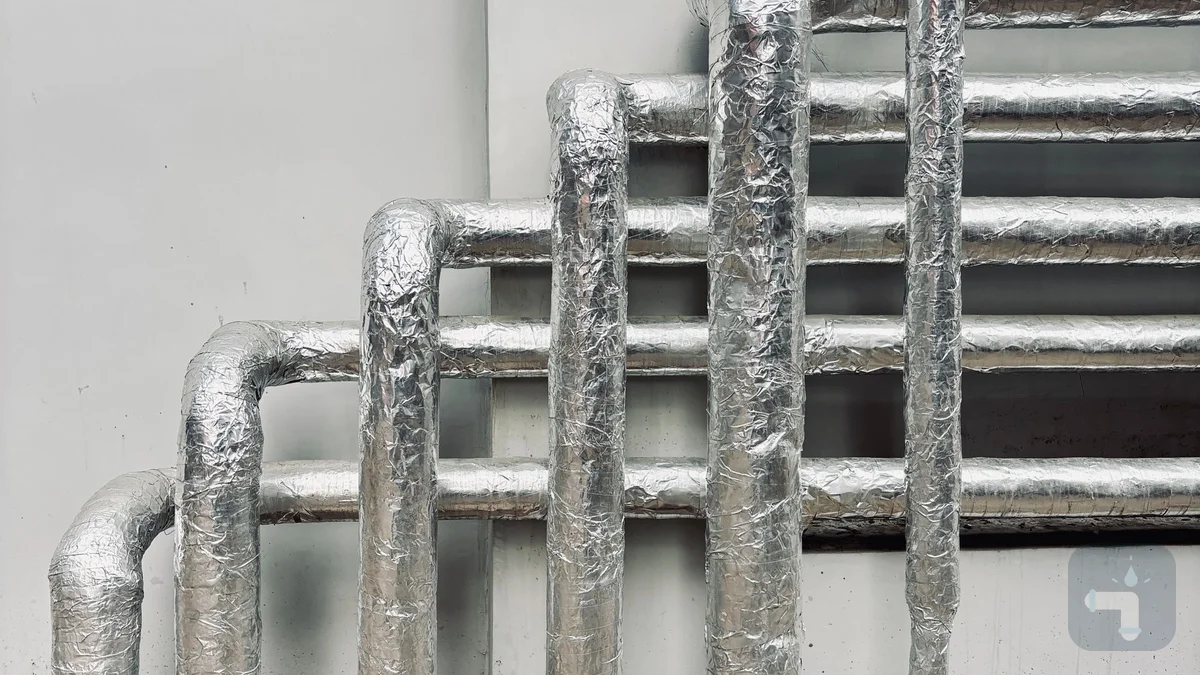
Brighton’s winter risk is not just cold — it is swings. Front Range cold snaps can drop temperatures 30–40 degrees in a day, and wind pushes that cold into wall cavities, crawl spaces, and garage ceilings faster than still air would. Water expands as it freezes; the ice plug then traps pressure between itself and the nearest closed faucet until the pipe wall splits — often not at the frozen spot itself, but inches away. Pipes in exterior walls, unheated garages, crawl spaces, and attics freeze first because they sit outside the home’s warmth with the least protection.
The encouraging part: freezing is one of the most preventable plumbing emergencies there is. Everything below is cheap, DIY-friendly, and works best done in October, before the season’s first hard freeze — which in the Brighton area can arrive any time from late October onward.
Insulate exposed pipes
Foam sleeves on every run in the basement, crawl space, garage, and attic — especially exterior walls.
Disconnect all hoses
Remove garden hoses, drain outdoor faucets, and fit insulated faucet covers. A connected hose is the #1 cause of split hose bibs.
Seal the drafts
Caulk and foam gaps where pipes enter the house and around rim joists — moving cold air freezes pipes fastest.
Set the heat rule
Thermostat at 55°F minimum, all winter, day and night — including vacations and empty houses.
Plan the cold nights
Cabinet doors under sinks open, a pencil-thin drip from the farthest faucet, when the forecast drops hard.
Know your shutoff
Find and test your main water valve now, while nothing is wrong. Label it for the whole household.
If you only have an hour, spend it here — in order:
This is why a single “how cold is too cold” number misleads. A well-insulated interior pipe shrugs off a 15°F night; a bare pipe in a drafty crawl space can freeze at 28°F. During the coldest stretches — and Brighton regularly sees multi-night runs in the teens and below each winter — combine the defenses: heat at 55°F or higher, cabinets open, and a slow drip from the faucet farthest from where water enters the house. Moving water is far harder to freeze than still water.
Prevention ends the moment a faucet slows to a trickle or stops. From there it is an emergency procedure, not a checklist: shut off the main if you suspect a split, never use an open flame to thaw, and work through the steps in our pipe freezing emergency guide — or the frozen pipe thawing and repair page if you want a provider involved from the start. Caught early, a frozen pipe is an inconvenience. Caught after the thaw, it is a flood.
Brighton Burst Pipe is a referral service. If winter wins anyway, call (720) 918-0220 and we will connect you with an independent local provider — the call costs nothing.
Insulate exposed pipes in unheated spaces, disconnect hoses and cover outdoor faucets, seal drafts near pipes, keep the thermostat at 55°F or higher all winter, open cabinet doors on cold nights, and let a faucet drip during hard freezes. Do it in October, before the first hard freeze.
55°F or higher, day and night, all winter — including when you travel. That is the widely used Red Cross benchmark, and insurers commonly look for reasonable heat when a freezing claim is filed.
Water freezes at 32°F, but pipe location matters more than the number. Uninsulated pipes in exterior walls or crawl spaces can freeze with outdoor temperatures in the 20s; sustained 20°F or below for six-plus hours is the danger zone for most homes.
Yes. A slow, pencil-thin stream keeps water moving and relieves pressure — the two things that stop a freeze from becoming a burst. Use the faucet farthest from where water enters the home, and do it on the coldest nights rather than all winter.
It is the strongest protection there is: shut off the main, open faucets to drain the lines, and a drained system cannot burst. If you do not drain the system, keep the heat at 55°F or higher for the entire trip instead.
A garden hose left connected through winter. Water trapped in the hose bib freezes, splits the pipe inside the wall, and the damage often only appears in spring when the faucet is first used. Disconnecting hoses every fall prevents it.
Call and we will connect you with an independent local provider in the Brighton area — before a frozen pipe becomes a flooded room. The call itself costs nothing.
 Brighton Burst PipeBurst Pipe Repair · Brighton, CO