 Brighton Burst PipeBurst Pipe Repair · Brighton, CO

A water heater is one of those things you only think about when it stops working — and by then, the repair is usually dearer than the maintenance that would have prevented it. In Brighton, where the water is very hard and the winters are cold, a heater that is never checked will not last as long as one that is looked after once a year. This checklist gives you a simple annual routine for a tank heater and for a tankless heater, the checks you can do yourself, the jobs to leave to a provider, and the warning signs that mean you should book a visit sooner.
Work through it once a year, and keep a note of the date, the age of the heater, and anything you found. A standard tank water heater in Brighton usually lasts 8–12 years, and the heaters that reach the top of that range are usually the ones that have been flushed, checked, and looked after. Brighton Burst Pipe is a referral service, not a plumbing company: when you call (720) 918-0220, we connect you with an independent local provider who can carry out the annual service, flush the tank, and check the parts that keep it safe.

Why does annual maintenance matter so much in Brighton?
Brighton water is very hard, at 15–20 grains per gallon. That means mineral scale builds up quickly inside a tank, on heating elements, and inside a tankless heat exchanger. Scale makes the heater work harder, heats water more slowly, and causes the popping and rumbling noises that are a sign of a tank full of sediment. It also uses up the anode rod — the part that protects the tank from rusting from the inside — faster than soft water would.
An annual flush and maintenance visit is listed on this site at $100–$250 nationally. Compare that with a diagnostic visit and a minor repair, typically $150–$600 nationally, a standard tank replacement of 40–50 gallons at $1,500–$3,500 nationally, or a tankless installation at $2,500–$5,500 nationally, and the value of the annual visit is clear. It is not just a flush: a proper service checks the parts that keep the heater safe, and it gives you a record of the heater’s condition year by year, so you can plan a replacement instead of facing one as an emergency.
What should you check every month?
Monthly checks take a few minutes, and they catch most problems early. Look around the base of the heater for water, rust, or damp patches on the floor. Look at the tank itself for rust, especially around the bottom and around fittings. Listen for new noises — popping, rumbling, or banging that was not there before. Check the hot water: is it as hot as usual, does it run clear, and does it last as long as it used to?
- Look for water around the base, and dry the floor so you can tell whether a new damp patch appears.
- Look for rust on the tank, on fittings, and in the hot water. Rusty hot water, with clear cold water, points to the tank.
- Listen for noise when the heater is running. New popping or rumbling usually means sediment has built up.
- Check the temperature — water that is lukewarm, or that runs cold too quickly, is an early warning.
- Keep the area clear. Do not store paint, solvents, or flammable materials near a gas heater, and keep the area around it clear so it can be reached and ventilated.
- Know where the shut-off is. Know how to turn off the water, gas, or electricity to the heater before you need to.
If any monthly check finds something new — water, rust, noise, or a change in temperature — do not wait for the annual service. Book an inspection, and tell the provider what you found and when it started. A small leak or a failing element is cheaper to fix early than to repair after it has caused damage.
What does the annual checklist include for a tank heater?
The annual service is the main event, and it should be done by a provider. It starts with the age and model of the heater, from the rating plate, and a check of the water temperature, the thermostat, and the controls. Then the tank is flushed, the anode rod is checked, and the safety parts are tested. Here is the checklist to work through with the provider, and to keep as a record.
- Flush the tank. Drain the tank to remove sediment that has settled at the bottom. In water at 15–20 grains per gallon, this is the single most useful job on the list.
- Check the anode rod. The rod protects the tank from rusting. If it is worn away, it should be replaced — replacing a rod is far cheaper than replacing a rusted tank.
- Test the temperature and pressure relief valve. Lift the test lever and check that water flows and then stops. A valve that will not open, or one that keeps dripping, needs attention.
- Check the expansion tank. If the house has one, it should be checked for pressure and condition. A failed expansion tank can cause the relief valve to keep opening.
- Check the gas supply, flue, and ventilation on a gas heater, and the electrical supply and connections on an electric heater. Look for rust, soot, or damage.
- Check the thermostat and heating elements or burner, and the water temperature at a tap. The water should be hot enough for the household, without being dangerously hot.
- Check for leaks at every fitting, valve, and joint, and around the base of the tank.
- Check the drain valve and make sure it closes fully after flushing, with no drip.
Ask the provider to write down what they found: the age of the heater, the condition of the anode rod, whether the tank was full of sediment, and anything that should be watched before the next service. That record is what turns a yearly visit into a plan — it tells you whether the heater has years left, or whether you should start budgeting for a replacement.
What does the annual checklist include for a tankless heater?
A tankless heater has no tank to flush, but it has a heat exchanger that needs descaling — and in Brighton hard water, that job matters even more. A tankless heater that has never been descaled will scale up, lose flow, heat water more slowly, and fail early, just like a tank. The annual service for a tankless unit should be done by a provider who knows the model, because the descaling process, the filters, and the error codes vary by make.
- Descale the heat exchanger. Flush the unit with a descaling solution to remove mineral scale. In water at 15–20 grains per gallon, this should be done at least once a year, and more often if the household uses a great deal of hot water.
- Clean the inlet filter. A blocked filter reduces flow and makes the heater work harder. It should be removed, cleaned, and refitted.
- Check the venting and condensate drain. The flue should be clear and sound, and the condensate drain should be clear and draining properly.
- Check the gas supply and pressure. A tankless heater needs a full gas supply to heat water on demand. Low gas pressure is a common cause of lukewarm water.
- Check for error codes. Note any codes the unit has shown, and tell the provider what happened and when.
- Check for leaks at every fitting and joint, and check the water temperature and flow at a tap.
Do not open a sealed tankless unit or work on its gas or electrical supply yourself. Descaling and filter cleaning are provider jobs, not homeowner jobs, and a mistake can damage the unit or leave it unsafe. If you have a tankless heater, ask the provider to explain the maintenance it will need each year when you book the first service, and to write down the descaling date so you can plan the next one.
When is the best time of year to service a water heater?
Autumn is the best time. A service in September or October means the heater is checked, flushed, and ready before the coldest weather, when it works hardest and when a failure is most disruptive. It also means any repair or replacement can be planned before winter, rather than done as an emergency on a freezing night. An emergency call-out is listed on this site at $100–$300, and a scheduled visit in autumn is usually cheaper and easier to book than an emergency call in January.
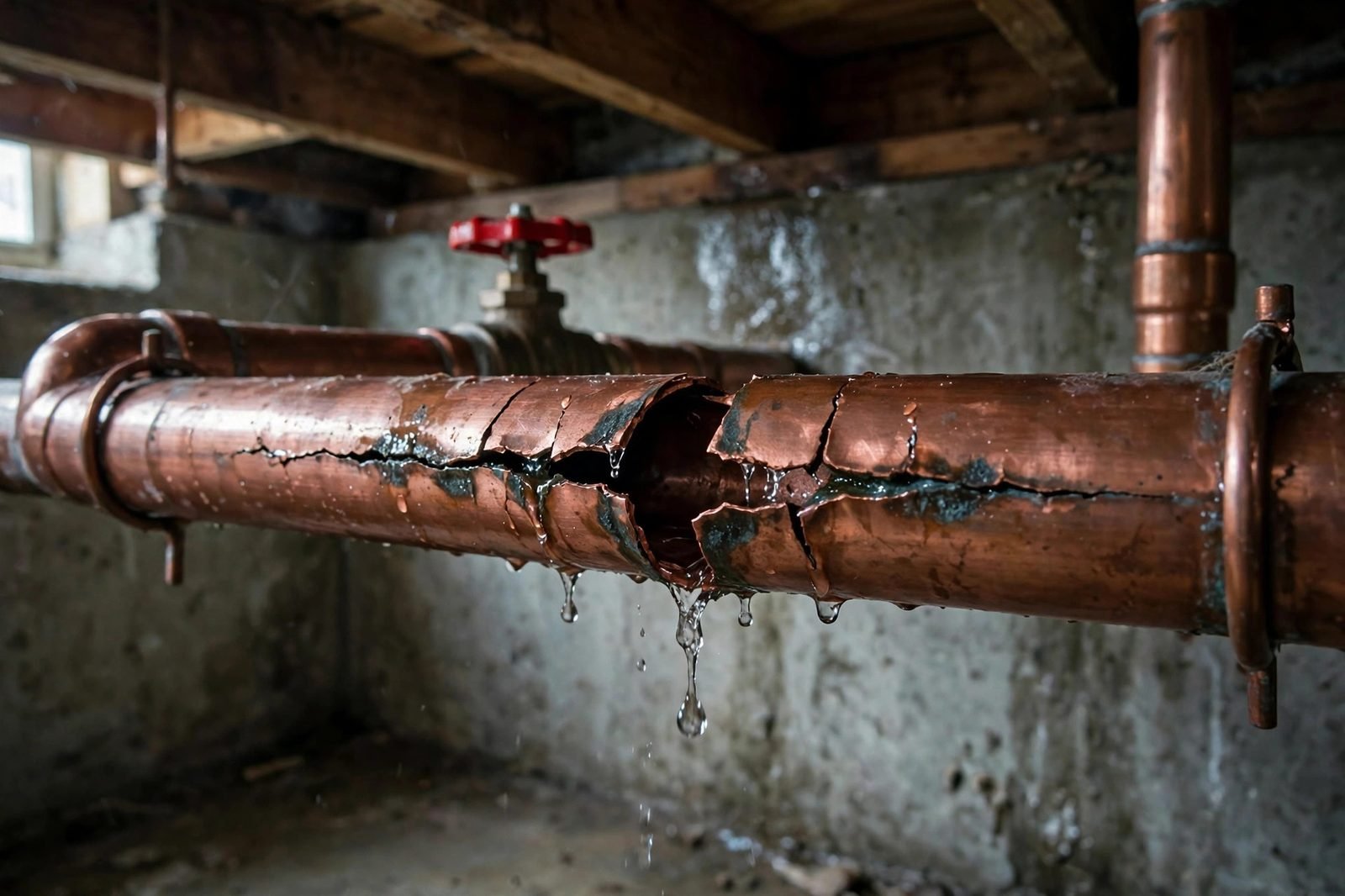
Winter brings its own checks. If the heater is in an unheated garage, basement, or loft, check that the space is not freezing, and that exposed pipes are insulated. A frozen pipe can burst, and a burst pipe repair on this site is listed at $200–$3,000, averaging around $500. If you are going away for the winter, ask a provider what to do with the heater and the water supply while the house is empty — leaving a heater running in an empty, unheated house is a risk, and so is leaving it off without draining it properly.
How much does water heater maintenance cost?
An annual flush and maintenance visit is listed on this site at $100–$250 nationally. That is the cost of the service itself, and it is the figure to budget for each year. If the service finds a worn anode rod, a failing relief valve, or a heating element that needs replacing, those parts will add to the bill, and the provider should quote them separately before doing the work. A diagnostic visit and a minor repair typically cost $150–$600 nationally.
What maintenance does not cost is a new heater. A standard tank replacement of 40–50 gallons, including unit and installation, is listed at $1,500–$3,500 nationally, and a tankless installation at $2,500–$5,500 nationally. Labour is listed at $100–$350 per hour. The annual service is cheap insurance against both of those bills, and it is the best way to know, year by year, whether your heater has years left or whether you should start planning for a replacement.
What should you never do yourself?
- Do not repair a gas heater yourself. Gas, flue, and ventilation work should be left to a qualified provider.
- Do not open a sealed tankless unit or work on its gas or electrical supply.
- Do not remove or plug the relief valve. It is a safety part, and disabling it is dangerous.
- Do not ignore a leak. A leaking tank will not repair itself, and water damage clean-up is listed on this site at $3–$7.50 per square foot.
- Do not set the thermostat dangerously high to make up for a heater that is failing. If the water is not hot enough, the heater needs attention, not a higher setting.
Some checks are safe for a homeowner: checking the thermostat setting, checking whether the breaker has tripped, looking for water or rust, listening for new noises, and keeping the area around the heater clear. Everything that involves gas, flue, electrics, or opening the heater should be left to a provider.
Frequently Asked Questions
How often should a water heater be serviced in Brighton?
Once a year. Brighton water is very hard, at 15–20 grains per gallon, so sediment and scale build up quickly. An annual flush and maintenance visit, listed at $100–$250 nationally, is the single most useful thing you can do for a tank heater, and a tankless heater needs annual descaling too.
What is included in an annual water heater service?
A proper service flushes the tank, checks the anode rod, tests the relief valve and expansion tank, checks the gas or electrical supply, the flue and ventilation, the thermostat and heating elements, and checks for leaks at every fitting. For a tankless heater, it includes descaling the heat exchanger and cleaning the inlet filter.
How long does a water heater last?
A standard tank water heater in Brighton usually lasts 8–12 years. A tank that is flushed every year and has its anode rod checked will usually last longer than one that has never been serviced. Tankless heaters can last longer, but only with regular descaling.
Can I flush my water heater myself?
Flushing a tank is a provider job for most homeowners, because it involves turning off the power or gas, draining hot water safely, and checking the anode rod and relief valve at the same time. If you are not confident, book a provider — an annual service is listed at $100–$250 nationally.
When is the best time to service a water heater?
Autumn, in September or October, so the heater is checked and ready before the coldest weather. A scheduled visit in autumn is usually cheaper and easier to book than an emergency call in winter.
What are the signs my water heater needs servicing?
Rusty or discoloured hot water, new popping or rumbling noises, water around the base, hot water that runs out too quickly, or a heater over ten years old that has not been serviced. Any of those is a reason to book an inspection, not to wait for the annual service.
Book your annual water heater service in Brighton
If your water heater has not been serviced in the last year — or if you cannot remember the last time it was — now is the time to book it. Call (720) 918-0220 and we will connect you with an independent local provider in the Brighton area who can flush the tank, check the anode rod and safety parts, and give you a clear record of your heater’s condition. Tell them the age of the heater, whether it is a tank or tankless unit, and anything you have noticed — that helps them bring the right equipment and give you a clear price.