 Brighton Burst PipeBurst Pipe Repair · Brighton, CO

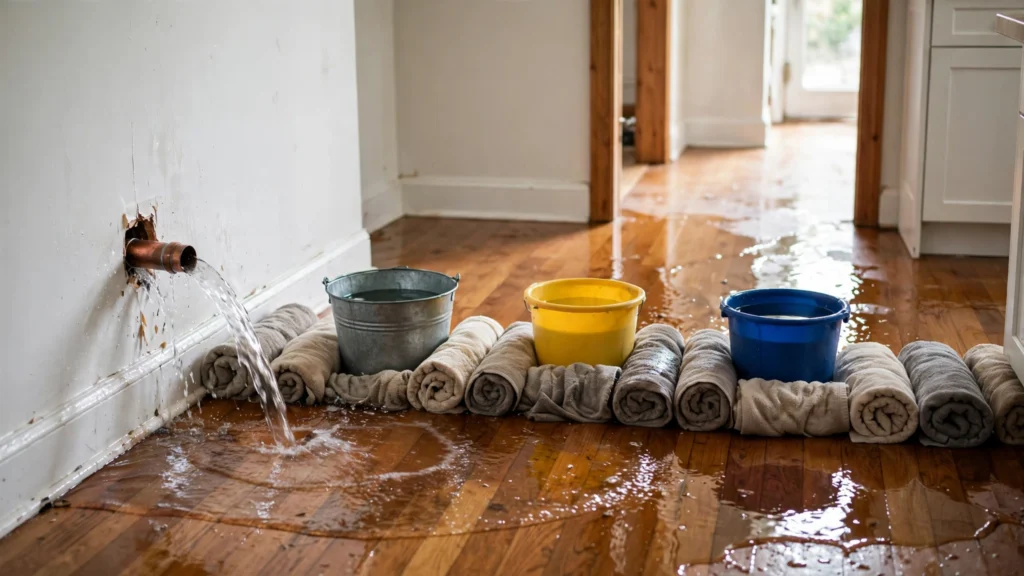
Every spring in Brighton, the same thing happens: the snow that has built up all winter melts in a few warm days, the ground is still frozen and cannot absorb the water, and the water runs to the lowest point — often a basement. A home that was dry all winter can flood in a weekend, and a home that flooded last spring will flood again this spring unless something has changed. This guide explains why Brighton homes flood every spring thaw, where the water comes from, and how to prevent it.
Brighton Burst Pipe is a referral service, not a plumbing company: when you call (720) 918-0220, we connect you with an independent local provider who can inspect your home, test your sump pump, and quote for the work that will keep the next thaw out of your basement.
Why does the spring thaw flood Brighton homes?
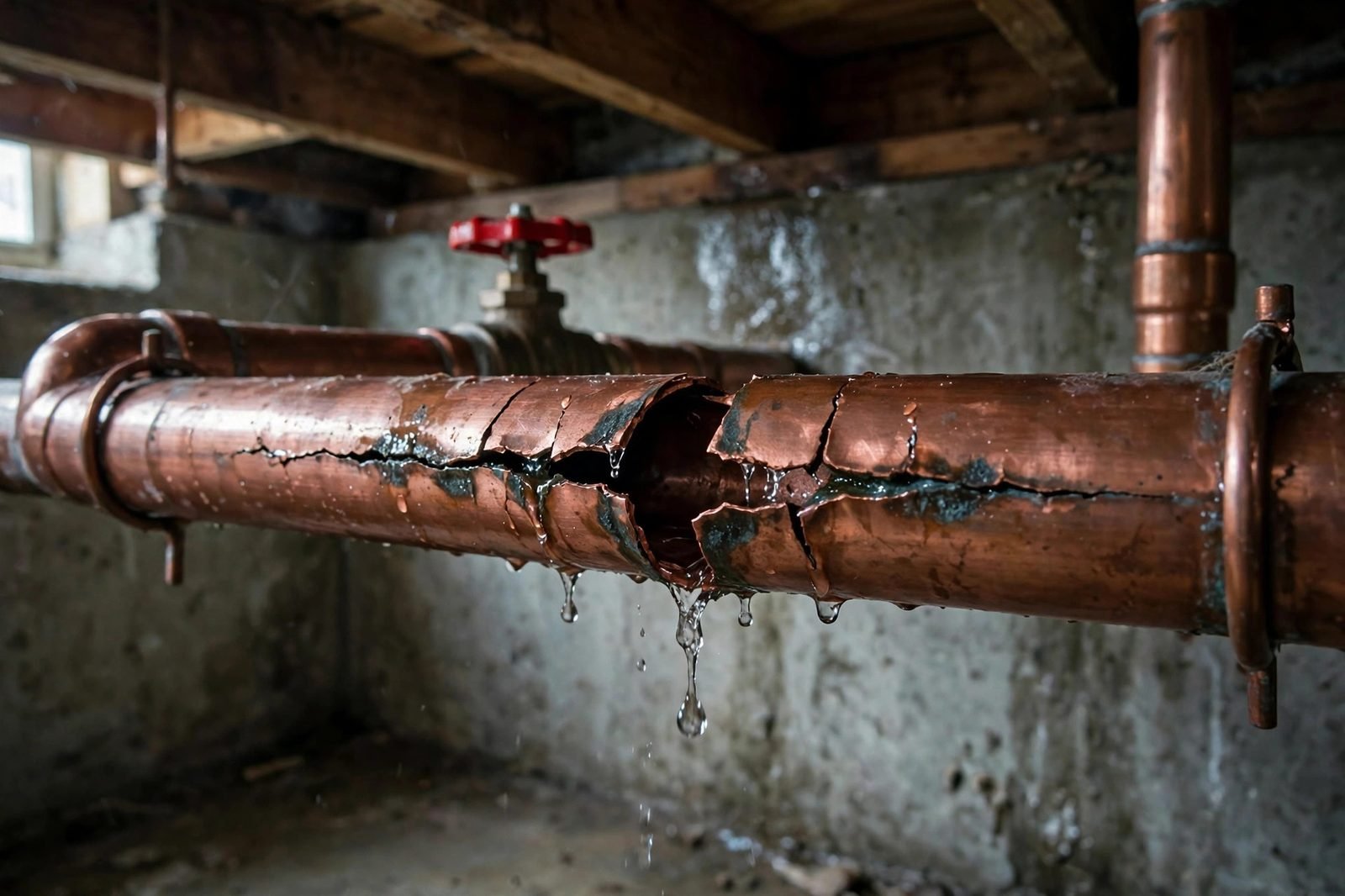
Three things happen at once in a Brighton spring, and together they are more than most homes are built to handle. First, a winter’s worth of snow melts quickly when warm weather arrives, releasing a large volume of water in a short time. Second, the ground is still frozen, so the water cannot soak in — it runs across the surface instead. Third, the water table rises as the meltwater builds up, and water presses against basement walls and floors from outside. A home with good grading, clear gutters, and a working sump pump can handle that water. A home without them cannot.
Rain makes it worse. A spring thaw that coincides with heavy rain brings meltwater and rainwater at the same time, and the sewer system can be overloaded as well — which is why some homes flood from below, through a floor drain, as well as from outside, through a wall. If your basement has flooded in spring before, it is not bad luck: it is the water finding the same weak point again.
Where does the water actually come from?
- Through the basement walls and floor. Water pressing against the foundations finds cracks, joints, and the seam where the wall meets the floor, and seeps through. A damp wall in spring, or a floor that is wet after a thaw, is a sign of this.
- Through a window well. A basement window well that is full of snow or leaves, or whose drain is blocked, fills with meltwater and overflows into the basement through the window.
- Down the driveway or the garden slope. If the ground slopes towards the house, meltwater runs to the foundations and pools there, instead of running away.
- From gutters and downspouts. Gutters blocked with leaves, or downspouts that discharge next to the foundations, dump meltwater and rainwater at the base of the walls.
- Up through a floor drain. If the sewer system is overloaded by thaw and rain, water can back up through the lowest drain in the house. A backwater valve can stop that, and it is covered in another guide on this site.
- From a failed sump pump. A pump that is seized, whose float is stuck, or whose discharge pipe is frozen or blocked cannot remove the water that collects in the pit, and the basement floods.
Finding where the water came from matters, because each source needs a different fix. A window well needs clearing, a slope needs grading, a gutter needs cleaning, and a sump pump needs testing. A provider who finds water in your basement should ask where it came in, and check each of those places, not just pump the water out and leave.
How can you tell if your home is at risk?
- Your basement has flooded before in spring. It will flood again unless the cause has been fixed.
- Your home is at the bottom of a slope, or the ground around it slopes towards the house.
- Your basement walls or floor are damp in spring, or you can see a water stain or a tide mark.
- You have a sump pump that has not been tested since last spring, or you are not sure whether it works.
- Your gutters are full of leaves, or your downspouts discharge next to the foundations.
- Your window wells are full of snow or debris, or their drains are blocked.
Walk around your home in late winter, before the thaw, and look at it with fresh eyes: where does the snow pile up, where does water run when it melts, and where is the lowest point? That walk, done in February, is worth more than any repair done in April, when the basement is already wet.
How can you prevent spring thaw flooding?
- Grade the ground away from the house. The ground should slope away from the foundations, so meltwater runs away, not towards the walls. If it slopes towards the house, regrading is the single most useful fix.
- Clean the gutters and downspouts in autumn. Blocked gutters overflow at the base of the walls. Downspouts should discharge well away from the foundations, not next to them.
- Clear window wells. Remove snow, leaves, and debris, and check that the well drain is clear before the thaw.
- Test the sump pump twice a year. In autumn and in early spring, before the thaw, pour water into the pit, check that the pump starts and stops, and check that water comes out of the discharge pipe well away from the house. Check the backup and the alarm too.
- Check the discharge pipe. It should not be frozen, blocked, or discharging back towards the foundations.
- Ask about a backwater valve. If water has come up through a floor drain, a backwater valve lets water flow out of the house but stops it flowing back in, and it can protect a home that has backed up before.
- Move snow away from the house. When you clear snow, pile it away from the foundations, not against the walls, so the meltwater does not run straight to the basement.
- Keep valuables off the basement floor. Store boxes and belongings on shelves, not on the floor, so a small amount of water does not become a large loss.
What should you do if your basement floods?
First, make it safe. Do not walk through standing water if there is any chance it is in contact with electricity — turn off the power to the basement if you can do so safely from outside the water, and do not touch electrical switches or appliances standing in water. If the water is sewage, keep people and pets away from it, stop using water in the house, and call for help straight away. If the water is clean meltwater, pump it out or let the sump pump do its work, and move rugs, boxes, and anything that can be damaged out of the way.
Then dry the area as soon as you can. Remove standing water, ventilate the basement, and dry floors and walls thoroughly to prevent mould. Take photos of the damage for your records and for any insurance claim, before you start clearing up. Water damage clean-up is listed on this site at $3–$7.50 per square foot, and a burst pipe repair at $200–$3,000, averaging around $500 — but a spring flood is not just a clean-up job. The cause needs to be found, whether it is a failed sump pump, a blocked discharge, a grading problem, or a sewer backup, so it does not happen again next spring.
How much does flood prevention cost?
The site publishes no figure for flood prevention work, because the cost depends on what your home needs — cleaning gutters and clearing a window well costs little, regrading a garden or installing a sump pump costs more, and a backwater valve is a different job again. Labour on this site is listed at $100–$350 per hour, and an emergency call-out at $100–$300, and those are the only figures that apply here. What is certain is that prevention is cheaper than clean-up: water damage clean-up at $3–$7.50 per square foot, plus the cost of replacing flooring, drywall, and belongings, is far dearer than testing a pump, cleaning a gutter, and grading the ground before the thaw.
Frequently Asked Questions
Why do Brighton homes flood in spring?
Because snow melts quickly, the ground is still frozen and cannot absorb the water, and the water table rises. The water runs to the lowest point — often a basement — and a home with poor grading, blocked gutters, or a failed sump pump cannot keep it out.
How can I stop my basement flooding in spring?
Grade the ground away from the house, clean the gutters and downspouts, clear the window wells, test the sump pump before the thaw, and ask about a backwater valve if water has come up through a floor drain. Move snow away from the foundations when you clear it.
What should I do if my basement floods?
Make it safe first — do not walk through water near electricity, and if the water is sewage, keep people away and stop using water. Then remove the water, dry the area, take photos for your records, and find the cause so it does not happen again.
Will a sump pump stop my basement flooding?
A working sump pump, with a backup and an alarm, is the best protection for a basement that collects water — but only if it is tested before the thaw, its discharge pipe is clear, and it discharges well away from the house. A pump that has not been tested since last spring may not work when you need it.
How much does water damage clean-up cost?
Water damage clean-up is listed on this site at $3–$7.50 per square foot. A sewer backup needs more thorough cleaning, and the provider should explain what is included.
When should I prepare for the spring thaw?
In late winter, before the thaw — clean the gutters in autumn, test the sump pump in early spring, and walk around the house to check grading, window wells, and downspouts. Preparing in February is worth more than repairing in April.
Worried about the spring thaw in Brighton?
If your basement flooded last spring, or you are not sure whether your sump pump works, do not wait for the thaw to find out. Call (720) 918-0220 and we will connect you with an independent local provider in the Brighton area who can inspect your home, test the sump pump, and quote for the work that will keep the next thaw out of your basement. Tell them whether the basement has flooded before and where the water came in — that helps them bring the right equipment and give you a clear price.