 Brighton Burst PipeBurst Pipe Repair · Brighton, CO

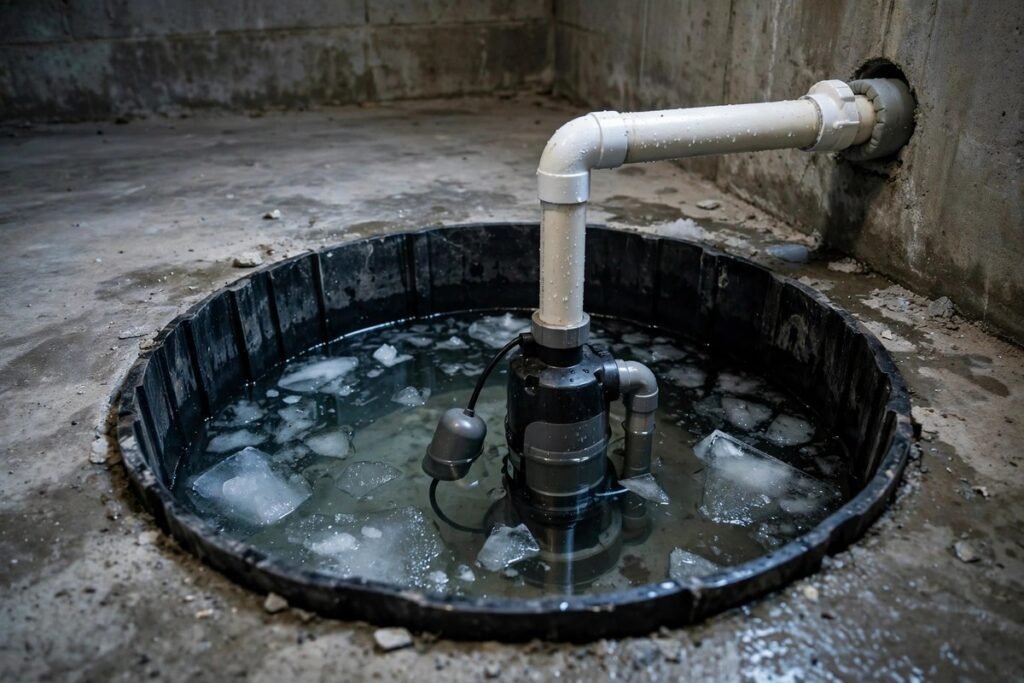
In Colorado, a sump pump is not a luxury for many Brighton homes — it is the thing that stands between a spring thaw and a flooded basement. When snow melts in spring, when heavy rain falls, or when the water table rises, water finds its way to the lowest point in a house. A sump pump sits in a pit at that lowest point, and when water rises to a set level, it switches on and pumps the water out, away from the house. When it works, you never think about it. When it does not, you find out very quickly.
This guide explains how sump pumps work in Colorado, whether your Brighton home needs one, the types of pump and backup system, and how to test yours before the spring thaw. Brighton Burst Pipe is a referral service, not a plumbing company: when you call (720) 918-0220, we connect you with an independent local provider who can inspect, install, or repair a sump pump and quote for the work.
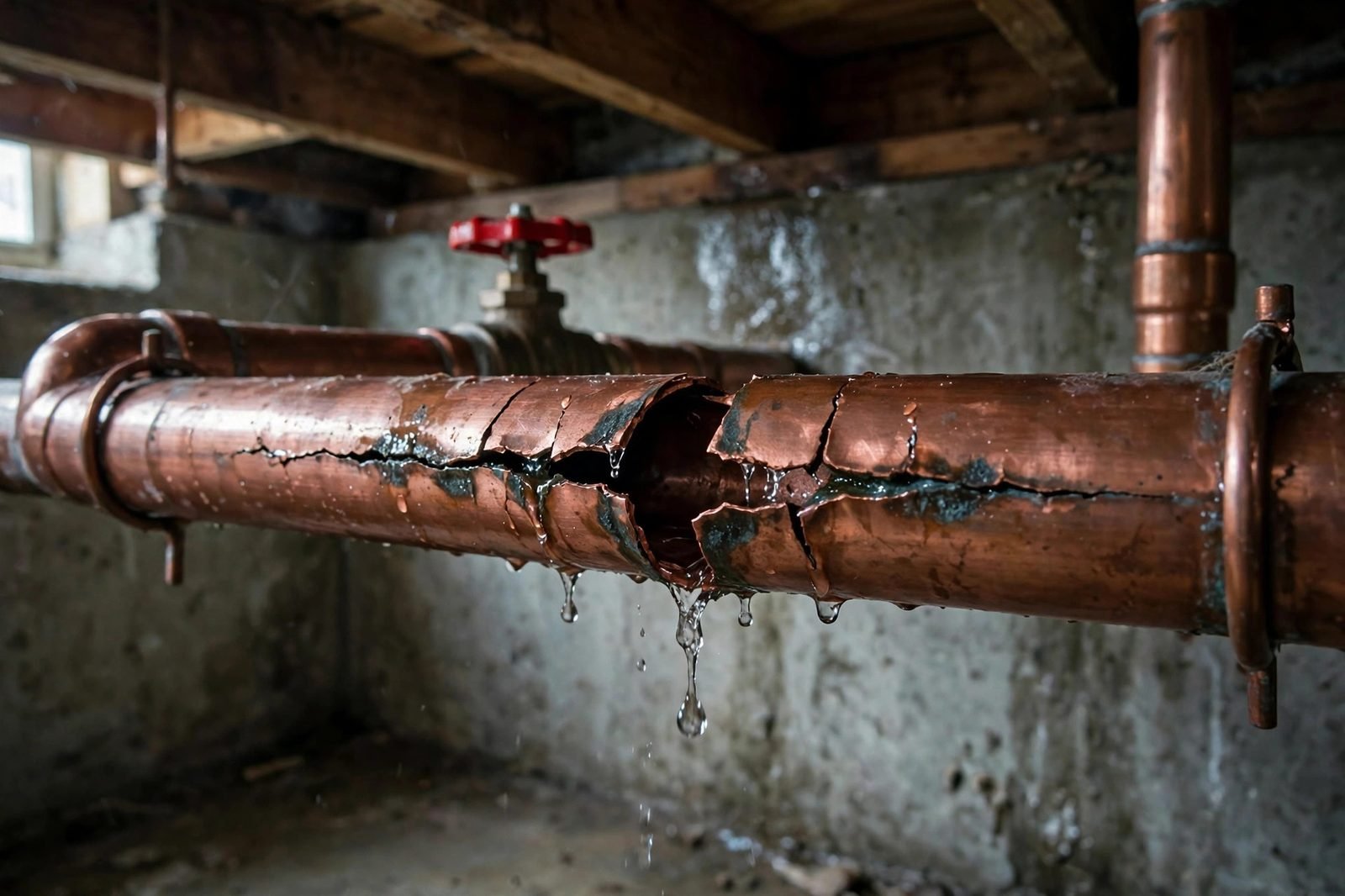
How does a sump pump work?
A sump pump sits in a pit, called a sump basin, in the lowest part of a basement or crawl space. Water that collects around the foundations drains into the pit through a drain tile or through the floor. When the water in the pit rises to a set level, a float switch turns the pump on. The pump pushes the water up through a discharge pipe and out of the house, to a point well away from the foundations. When the water falls, the float drops and the pump switches off.
There are two main types. A submersible pump sits inside the pit, under the water, and is quieter and less visible. A pedestal pump sits above the pit, with a pipe reaching down into the water, and is easier to reach and service. Both do the same job, and the choice depends on the pit, the space, and how much water the pump needs to move. A provider can tell you which type suits your home, and what size — or capacity — you need for the amount of water your basement collects.
Do you need a sump pump in Brighton?
Not every Brighton home needs a sump pump, but many do — especially homes with a basement, homes at the bottom of a slope, and homes where the water table is high. The signs are water in the basement after rain or snowmelt, a damp floor or damp walls, a musty smell, or a basement that has flooded before. If your basement has flooded even once, it will flood again unless the water is managed — and a sump pump is the usual way to manage it.
- You probably need one if: your basement has flooded, water collects after rain or thaw, or the floor or walls are damp in spring.
- You may need one if: your home is at the bottom of a slope, the ground around the house does not drain away from the foundations, or the water table is high in your area.
- You may not need one if: your home has no basement, it is on high ground with good drainage, and it has never had water in the lowest level.
If you are buying a Brighton home, ask whether it has a sump pump, when it was last tested, and whether the basement has ever flooded. If there is a pit but no pump, or a pump that has not run for years, ask a provider to inspect it before you rely on it. A pump that has been sitting unused may be seized, its float may be stuck, or its discharge pipe may be blocked — and you will only find out when the water rises.
Why is spring thaw the biggest test for a sump pump?
Spring in Brighton brings a particular challenge: snow that has built up all winter melts quickly, the ground is still frozen and cannot absorb the water, and the water runs to the lowest point — often a basement. A sump pump that has not run all winter is suddenly asked to work at its hardest, and if it is seized, its float is stuck, or its discharge pipe is frozen or blocked, the basement floods. That is why testing a sump pump before the thaw, not during it, matters so much.
Check the discharge pipe as well. It should carry water well away from the house, and it should not be frozen, blocked, or discharging back towards the foundations. In winter, a discharge pipe that is exposed can freeze, and a pump that cannot discharge will keep running until it burns out — or it will trip and stop altogether. A provider can check the discharge route and suggest insulation or a different route if freezing is a problem.
What backup system do you need if the power goes out?
A sump pump runs on electricity, and the power often goes out in the same storms that bring the water. A pump with no backup is no use in a power cut. There are two main backup options, and both are worth understanding before you need them.
- A battery backup pump. A second, smaller pump in the same pit, powered by a battery, that switches on if the main pump fails or the power goes out. It will not run forever — the battery lasts for a limited time — but it can keep the basement dry through a short outage. Test the battery regularly, and replace it when it no longer holds a charge.
- A water-powered backup pump. A pump that runs on mains water pressure, not electricity, and switches on if the main pump fails. It uses water to pump water, so it needs a good mains supply, and it will use a great deal of water while it runs. Ask a provider whether it suits your home and your water supply.
Some homes have both a main pump and a backup, and some have an alarm that sounds when the water in the pit rises too high. An alarm is a cheap addition, and it is worth having — it tells you the pump has failed before the basement floods, not after. If your pump has no alarm and no backup, ask a provider what would suit your home, and what it would cost. The site publishes no figure for a sump pump or a backup system, so the cost drivers are the type and size of pump, whether a new pit or discharge pipe is needed, and the labour — ask for a quote for your home.
How can you test your sump pump?
Test your sump pump twice a year — in autumn, before winter, and in early spring, before the thaw — and after any heavy rain. It takes a few minutes, and it is the best way to know the pump will work when you need it.
- Step 1 — Check the power. Make sure the pump is plugged in, the breaker has not tripped, and the outlet is working.
- Step 2 — Pour water into the pit. Slowly pour a bucket of water into the pit until the float rises and the pump switches on. It should start, pump the water out, and switch off when the water falls.
- Step 3 — Check the discharge. Go outside and check that water is coming out of the discharge pipe, well away from the house, and that the pipe is not frozen or blocked.
- Step 4 — Check the float. Make sure the float moves freely and is not stuck on the side of the pit, on the pump, or on debris in the pit.
- Step 5 — Clean the pit. Remove debris, silt, and anything that could block the pump or the float.
- Step 6 — Test the backup and the alarm. If you have a battery backup, test it, and check the battery. If you have an alarm, test that it sounds when the water rises.
If the pump does not start, if it runs but does not pump water, if it runs continuously, or if it makes a grinding or rattling noise, stop and call a provider. Do not keep running a pump that is not pumping — it can burn out. And do not reach into the pit while the pump is plugged in.
What are the signs your sump pump is failing?
- It runs constantly, or never runs. A pump that runs all the time may have a stuck float, a failed switch, or a discharge pipe that is blocked. A pump that never runs may have no power, a seized motor, or a stuck float.
- It makes strange noises. Grinding, rattling, or humming with no pumping usually means the motor or the impeller is failing.
- It vibrates or moves in the pit. A pump that is not secured, or whose discharge pipe is loose, can vibrate and damage itself.
- Water is in the basement even though the pump runs. The pump may be too small for the amount of water, the discharge may be blocked, or the pump may be worn out.
- It is old and has never been serviced. A sump pump that has been in place for many years, without testing or maintenance, is more likely to fail when it is needed most.
Frequently Asked Questions
Do I need a sump pump in Colorado?
Many Brighton homes with a basement do, especially if the basement has flooded, water collects after rain or snowmelt, or the home is at the bottom of a slope. If your basement has flooded even once, it will flood again unless the water is managed.
How often should I test my sump pump?
Twice a year — in autumn and in early spring, before the thaw — and after any heavy rain. Pour water into the pit, check that the pump starts and stops, and check that water comes out of the discharge pipe well away from the house.
What happens if my sump pump fails during a storm?
Water will collect in the pit and then in the basement. A battery backup pump or a water-powered backup can keep the basement dry through a short outage, and an alarm can warn you before the basement floods. Water damage clean-up is listed on this site at $3–$7.50 per square foot.
How much does a sump pump cost?
The site publishes no figure for a sump pump or a backup system. The cost drivers are the type and size of pump, whether a new pit or discharge pipe is needed, and the labour — labour is listed on this site at $100–$350 per hour, and an emergency call-out at $100–$300. Ask a provider for a quote for your home.
Where should a sump pump discharge?
Well away from the house, so the water does not run back towards the foundations. The discharge pipe should not be frozen or blocked, and it should not discharge onto a neighbour’s land or into a drain that cannot take it.
Can I install a sump pump myself?
Installing a sump pump involves cutting a pit, fitting a drain, running a discharge pipe, and wiring the pump — it is a provider job for most homeowners. Testing an existing pump, cleaning the pit, and checking the discharge are jobs you can do yourself.
Sump pump not tested in Brighton?
If your sump pump has not been tested since last spring, or you are not sure whether it works at all, test it now — before the thaw, not during it. Call (720) 918-0220 and we will connect you with an independent local provider in the Brighton area who can inspect the pump, test the backup, and quote for a repair, a replacement, or a new installation. Tell them whether your basement has flooded before and whether you have a backup system — that helps them bring the right equipment and give you a clear price.