 Brighton Burst PipeBurst Pipe Repair · Brighton, CO

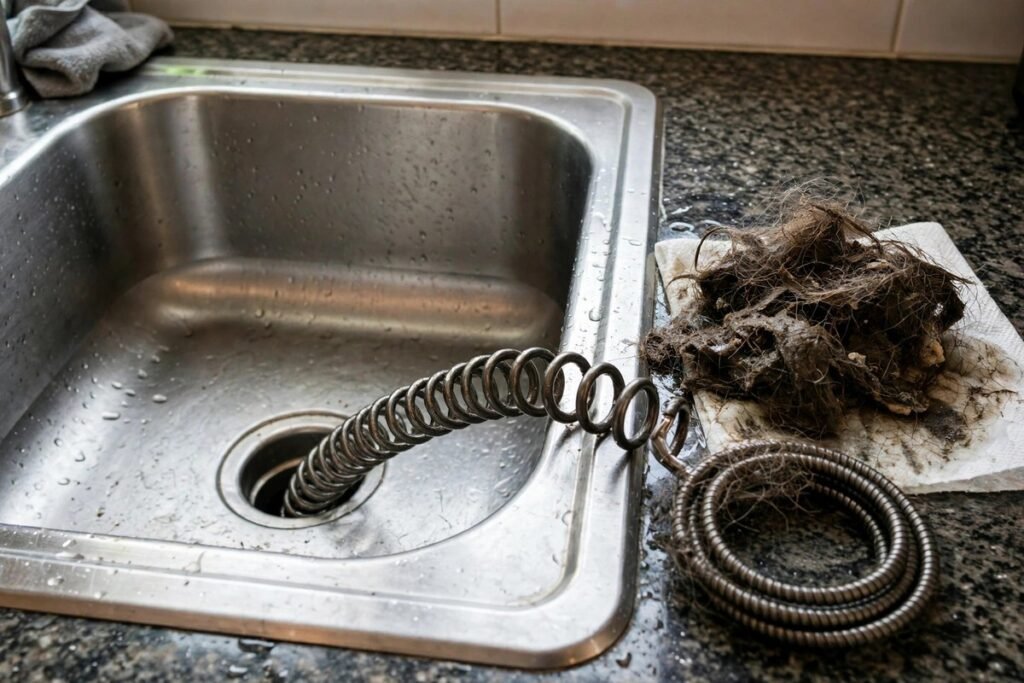
A drain that blocks once is an annoyance. A drain that blocks again and again is a message — and the message is usually that the cause was never removed. Snaking it, plunging it, or pouring something down it may restore flow for a few weeks, but if grease is still coating the pipe, roots are still growing through a joint, or a pipe is cracked or sagging, the blockage will return. This guide explains why Brighton drains keep clogging, how to work out what is really causing it, and how to stop it for good.
It is written for Brighton homes, where hard water, older clay and cast-iron pipes, tree roots, and what goes down the drain all play a part. Brighton Burst Pipe is a referral service, not a plumbing company: when you call (720) 918-0220, we connect you with an independent local provider who can find the cause, explain whether snaking, a camera, jetting, or repair is needed, and quote for the work.
Is one drain blocked, or are several blocked at once?
This is the first question to answer, because it tells you where the problem is. If only one fixture is slow — the kitchen sink, or one shower — the blockage is usually in that fixture’s own drain, close to the fixture. Hair and soap in a shower, grease in a kitchen sink, or a build-up in a basin trap are the usual causes, and they are the simplest to fix.
If several fixtures are slow at the same time, if the toilet gurgles when the washing machine runs, or if water comes up in the lowest drain in the house, the problem is usually in the main drain or the sewer line. That is a bigger job, and it is the one that keeps coming back if it is only snaked. A main sewer drain cleaning typically costs $250–$500 nationally, according to the figures published on this site, and a camera inspection $100–$350 — and for a repeat main drain blockage, the camera is the step that finds the cause.
What is actually blocking your drains?
Most repeat blockages have one of a handful of causes, and each one needs a different fix. Working out which one you have is the difference between a drain that stays clear and one that blocks again in a month.
- Grease. The biggest culprit in kitchens. Grease goes down hot and liquid, then cools and hardens inside the pipe, catching food and debris. Over time it coats the whole pipe, narrowing it until water can barely pass. Snaking punches a hole through grease; hydro jetting, listed at $350–$800 nationally, strips it off the pipe walls.
- Hair and soap. The most common cause in showers and baths. Hair catches on the drain, soap and shampoo build up around it, and the drain slows over weeks. A hair catcher stops most of it before it starts.
- Wipes and sanitary products. Wipes, even ones labelled flushable, do not break down like toilet paper, and they are a leading cause of toilet and main drain blockages. Only toilet paper and human waste should be flushed.
- Tree roots. Roots find the smallest crack or open joint in a clay or cast-iron sewer line, grow inside it, and catch everything that passes. Snaking cuts roots back, but they grow again — and only a camera shows how bad the problem is.
- Scale from hard water. Brighton water leaves mineral scale inside pipes, narrowing them over time and giving grease and debris something to catch on. A drain that was fine ten years ago may now block more often for this reason alone.
- A damaged pipe. A cracked pipe, a collapsed section, or a belly — a low spot where water sits instead of flowing — will keep blocking whatever clearing method is used. No clearing method fixes a broken pipe; it needs repair.
Why does snaking alone not stop repeat blockages?
Snaking is a good first step, but it is a clearing method, not a cleaning method. A flexible cable with a cutting head breaks up or pulls out the blockage, and the drain flows again — but the grease coating the pipe, the scale narrowing it, and the roots growing through a joint are still there. A single fixture snaking typically costs $100–$275 nationally, and it is the right choice for a simple, first-time blockage. For a drain that has blocked three times in a year, it is the wrong choice on its own.
That is why a provider should ask how many times the drain has blocked, and what has been tried already. If the answer is repeated snaking, the next step is usually a camera inspection, at $100–$350, to see inside the pipe. The camera shows roots, cracks, a collapsed section, a belly, or a pipe full of scale — and once you can see the cause, you can fix it, instead of paying to clear the same blockage again.
How do Brighton homes make drains clog more often?
Brighton homes add two local factors. First, many were built in the 1960s and 1970s with clay tile or cast-iron sewer lines, which are more vulnerable to roots and to cracking than modern PVC. Clay joints open over time and let roots in; cast iron corrodes from the inside and narrows. If your house is of that age, and the drain blocks repeatedly, tell the provider — it changes what they bring and what they look for.
Second, Brighton water is very hard. Scale builds up inside pipes, narrows them, and gives grease and debris something to catch on. A water softener can slow further build-up, and jetting can restore a scaled pipe, but neither is a quick fix — both address the cause rather than the symptom. Large trees near the sewer line add a third factor: roots are the most common cause of repeat main drain blockages in older Brighton homes, and a root problem needs a camera, not just a snake.
How can you work out what is causing your repeat blockage?
Start by keeping a simple record: which fixture blocks, how often, and what was done last time. A kitchen sink that blocks every few months points to grease. A shower that slows gradually points to hair and soap. A toilet that blocks after wipes points to what is being flushed. A main drain that blocks in the same place, at the same time of year, points to roots or a damaged pipe — and a record of that pattern helps the provider more than a vague description.
- Note which fixtures are affected — one fixture, or several at once.
- Note how often it happens — once, or every few weeks or months.
- Note what clears it — a plunger, a snake, or nothing at all.
- Check the lowest drain in the house, which is usually the first to show a main drain problem.
- Ask for a camera if the blockage has happened more than twice, or if several fixtures are affected. A camera inspection, listed at $100–$350, shows the cause inside the pipe.
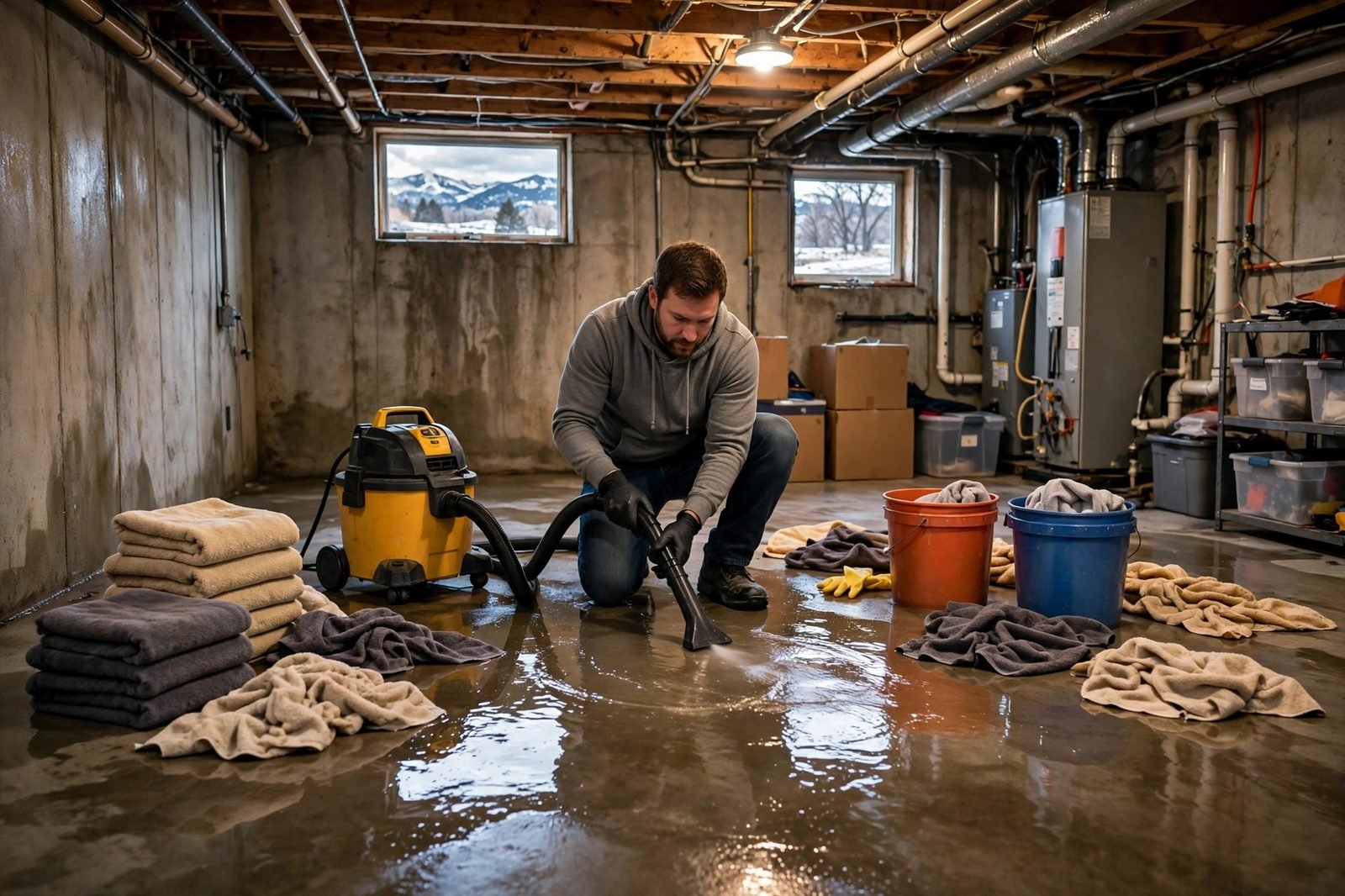
Do not keep using chemical drain cleaners while you work this out. They rarely clear a serious blockage, they can damage pipes and seals, and they make the drain unsafe for the provider who has to work on it afterwards. Tell the provider if you have used one. And if water is coming up through a drain, a shower, or a toilet, stop using water in the house — no showers, no washing machine, no dishwasher — and call for help. Sewage in the home is a health risk, and water damage clean-up is listed on this site at $3–$7.50 per square foot.
How can you stop drains from clogging for good?
- Keep grease out of the kitchen sink. Wipe grease from pans with a paper towel and put it in the bin. Use a strainer in the sink, and run hot water after washing greasy dishes.
- Use hair catchers in showers and baths, and clean them regularly.
- Flush only toilet paper and human waste. No wipes, even ones labelled flushable, no sanitary products, no cotton buds, and no nappies.
- Clear strainers and traps regularly, and remove visible hair and debris by hand before it builds up.
- Watch for tree roots. If you have large trees near the sewer line and the drain blocks repeatedly, ask for a camera inspection — roots grow back after snaking.
- Have the main drain cleaned before it blocks. For a home with a history of blockages, a scheduled clean is cheaper and cleaner than an emergency call when sewage is already backing up.
- Consider a water softener. It will not undo damage already done, but it slows the scale build-up that narrows pipes in Brighton hard water.
How much does it cost to fix a drain that keeps clogging?
The cost depends on the cause. A single fixture snaking typically costs $100–$275 nationally, a main sewer drain cleaning $250–$500, a camera inspection $100–$350, and hydro jetting $350–$800, according to the figures published on this site. Labour is listed at $100–$350 per hour, and an emergency call-out at $100–$300. Those are national ranges, not a quote for your home, but they show why finding the cause matters: paying for snaking three times in a year can cost more than one camera inspection and one jetting that fixes the problem.
If the camera shows a damaged pipe, the cost changes. A spot repair on a sewer line is listed on this site at $1,000–$4,000, and a full replacement at $3,000–$25,000, with trenchless replacement at $60–$250 per foot. That is a large range, and it is why a camera inspection is worth doing before any repair is quoted — without it, you cannot tell whether you need a clean, a spot repair, or a replacement, and you cannot compare quotes properly.
Frequently Asked Questions
Why does my drain keep clogging?
Because the cause was never removed — grease coating the pipe, scale narrowing it, tree roots growing back after snaking, or a damaged section of pipe. A camera inspection, listed at $100–$350, shows the cause inside the pipe.
Is it safe to use chemical drain cleaners?
They rarely clear a serious blockage, they can damage pipes and seals, and they make the drain unsafe for the provider who works on it afterwards. Clearing strainers and traps by hand is safer, and if that does not work, a provider can clear the drain properly.
How do I know if the problem is in the main drain?
If several fixtures are slow at the same time, if the toilet gurgles when the washing machine runs, or if water comes up in the lowest drain in the house, the problem is usually in the main drain or the sewer line, not in a single fixture.
Will hydro jetting stop my drain blocking again?
Jetting, listed at $350–$800 nationally, cleans the inside of the pipe and usually lasts longer than snaking, because it removes grease and scale rather than just clearing a hole. It will not fix a cracked, collapsed, or root-damaged pipe — that needs repair.
What should I never flush?
Wipes, even ones labelled flushable, sanitary products, cotton buds, and nappies. Only toilet paper and human waste should be flushed. Wipes do not break down like toilet paper and are a leading cause of toilet and main drain blockages.
What should I do if sewage is backing up?
Stop using water, keep people and pets away from the sewage, and call for help straight away. Do not keep flushing or running taps. Sewage is a health risk, and the longer it runs, the more clean-up is needed.
Drains keep clogging in Brighton?
If the same drain has blocked more than twice, do not pay for another quick clear without finding out why. Call (720) 918-0220 and we will connect you with an independent local provider in the Brighton area who can find the cause, run a camera if it is needed, and explain whether snaking, jetting, or repair is the right choice — with a clear quote before work starts. Tell them which fixtures are affected and how many times it has blocked before — that helps them bring the right equipment and give you a clear price.