A pipe does not have to flood your kitchen to be costing you money. Leaks hidden inside walls, ceilings, and supply lines can drip for months before anyone notices — unless you know the signs. Here is how to read them.
You can — your senses are the first detection equipment most homeowners ever use, and they are surprisingly good at it. A hidden leak almost always announces itself indirectly before water ever shows on a surface. Walk the room slowly and check four things:
Any one of these deserves a second look. Two or more together almost always mean water is going somewhere it should not — and the meter test further down turns that suspicion into a yes-or-no answer.
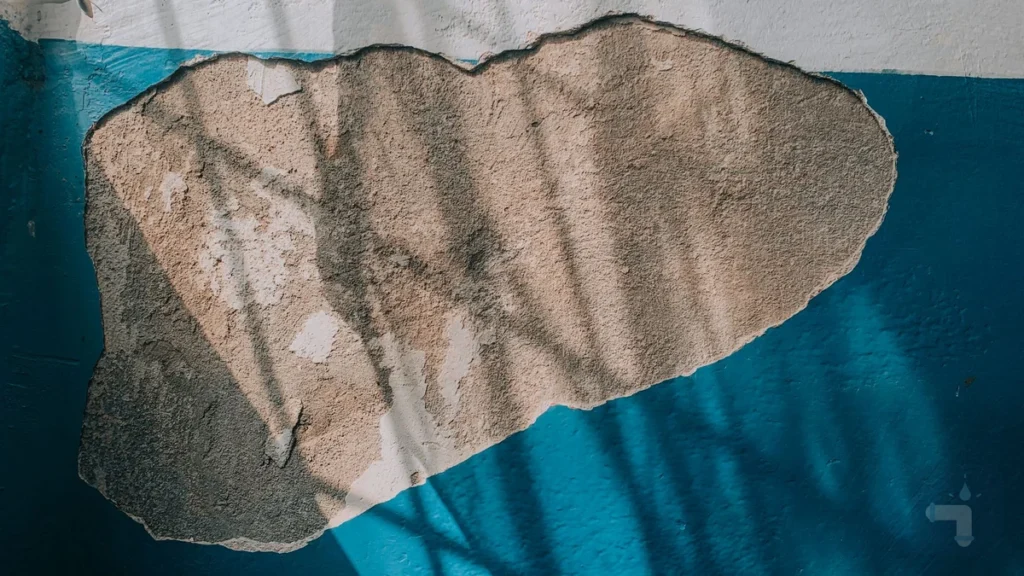
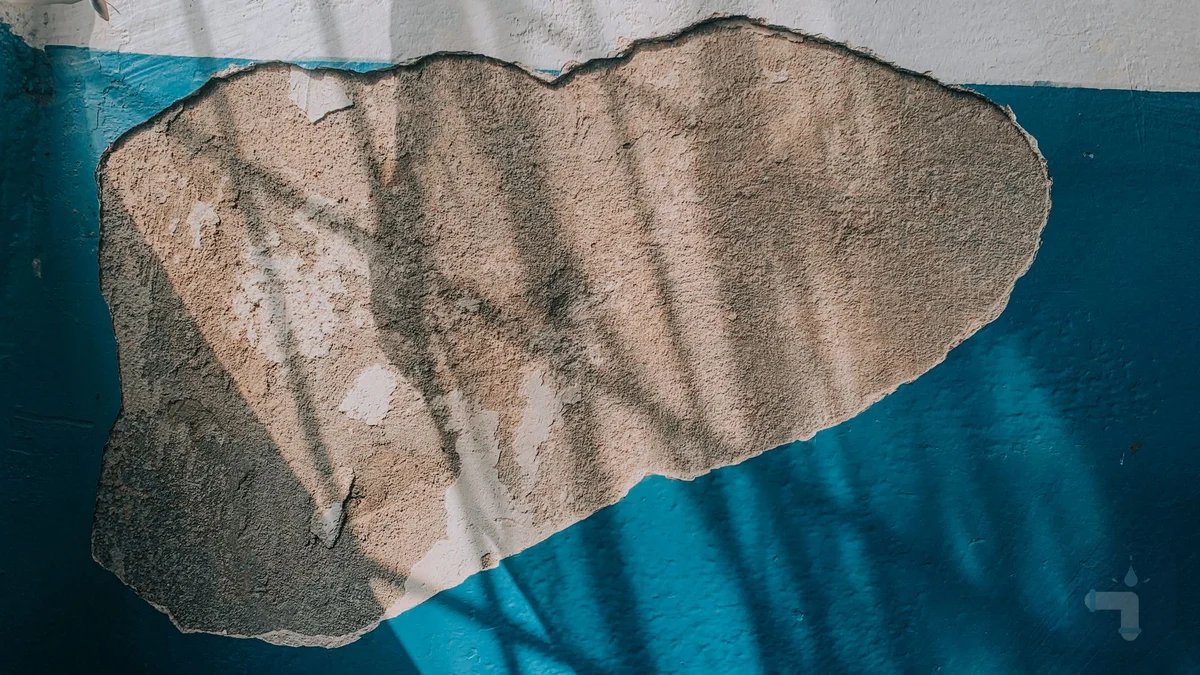
A yellow or brown stain is water that has already traveled through the material and dried — the color comes from minerals the water picked up on the way. The stain is rarely where the leak is: water runs along pipes, studs, and the back of drywall before soaking through, so the visible mark can sit a foot or more from the actual failure.
Pay attention to the edges. A stain with a darker outline ring — sometimes called a tide line — usually means the area has gotten wet and dried more than once, pointing to a slow, ongoing leak rather than a single past event. A stain that is still growing, or feels damp, means the leak is happening now.
This is one of the most dependable hidden pipe leak signs there is, because it rules out old damage. A historic stain from a leak repaired years ago stays covered. A returning stain is live evidence: water is still moving through that wall. Note when it reappeared and how fast it spread — that timeline helps a provider judge whether you face a slow drip or something bigger.
Moisture trapped behind paint pushes it off the surface, so bubbling or peeling paint on an interior wall — especially low on the wall or near a bathroom, kitchen, or laundry room — should never be dismissed as a bad paint job. Wallpaper does the same, lifting at the seams.
The touch test is just as telling. Healthy drywall is firm. Press your palm flat against a suspect area and compare it with a dry section of the same wall. If it feels soft, spongy, or gives slightly, the gypsum inside has absorbed water and lost its strength — and drywall that has gone soft does not dry back to full strength.
Wood and laminate floors react to moisture from below by swelling, cupping, and buckling. If boards near a wall lift or feel spongy underfoot while the rest of the floor is fine, water may be wicking out from the base of that wall. Vinyl and tile hide it longer, but grout that darkens or stays damp is the same warning, quieter.
Yes. That musty, earthy smell is produced by mold and mildew growing somewhere you cannot see — and inside a wall cavity fed by a slow leak is one of the most common places. The smell often arrives weeks before any stain appears, because mold colonizes the damp back side of the drywall first. And the timeline is short: mold can begin growing on damp surfaces within 24 to 48 hours of water exposure, so a slow leak gives mold a permanent water supply. If one room smells musty and the others do not, treat it as a leak sign, not an air-freshener problem.
Stand quietly near the suspect wall late at night, when the house is still. A slow drip makes a soft, irregular ticking. A pressurized supply line with a pinhole leak often makes a faint, steady hiss. Both mean water is moving when nothing in the house is using it — and water that moves with every fixture off is water escaping the system.
Two honest cautions: pipes also tick as they expand and contract with temperature changes, and a toilet with a worn flapper can mimic a leak sound by refilling itself. That is why the sound test should be paired with the meter test below, which does not guess.
Sometimes the first sign is not in the wall at all — it is in your wallet or your shower. A hidden leak diverts water before it reaches your fixtures, so a pressure drop in one area, or pressure that fades when a second fixture opens, can mean a supply line is losing water inside a wall or ceiling.
The bill is the other messenger. Compare this month with the same month last year, not just last month. If usage jumped and your habits did not change — no guests, no irrigation change, no new appliance — water is going somewhere. The scale surprises people: the U.S. Environmental Protection Agency estimates that about 10% of homes have leaks that waste 90 gallons or more per day. A hidden leak is not a trivial drip; it is a running tab.
Turn everything off. Every faucet and appliance. Make sure no toilet is refilling.
Read the meter. Note the numbers or snap a photo. Many meters have a small leak-indicator dial.
Wait 30 minutes. Use no water at all. An hour makes a slow leak easier to catch.
Read it again. Numbers moved or the indicator spinning? Water is flowing somewhere — you have a leak.
If the test says leak but nothing is visible indoors, the problem may be in the main supply line between the meter and the house — still your side of the system, and still worth acting on quickly. This is the same first check behind our water shutoff and leak detection guidance: confirm the leak exists before anyone opens a wall. Suspect one already? Call (720) 918-0220 and we will connect you with a local provider.
Different signs point to different pipes, and the location shapes how urgent the call is. Use this diagnostic table as a first read — a guide, not a substitute for a provider confirming the source.
| Sign you notice | Likely location / pipe type | Urgency |
|---|---|---|
| Stain on a ceiling, growing or damp | Supply or drain line above, often under a bathroom | High — water is pooling above the ceiling board |
| Soft, spongy drywall low on a wall | Supply line inside that wall, or a fixture connection behind it | High — wall material is already damaged |
| Paint bubbling / wallpaper peeling | Slow leak in the wall directly behind the finish | Moderate — active moisture, usually slow-moving |
| Musty smell, no visible damage | Slow leak inside a wall cavity; mold likely already present | Moderate — the clock on mold started long ago |
| Dripping or hissing with fixtures off | Pressurized supply line, possibly a pinhole leak | High — pressurized leaks worsen, they do not heal |
| Flooring buckling near a wall | Leak at the base of the wall or a line under the floor | High — flooring and subfloor are absorbing water |
| Meter moves, no indoor signs | Main supply line between meter and house, or an unseen interior leak | Moderate to high — confirmed loss, location unknown |
Not every in-wall failure behaves the same way, and telling them apart matters. A slow hidden leak — a corroded joint, a pinhole, a fitting that weeps — develops over weeks or months. Its signs are the gradual ones in this guide: stains, smells, soft spots, rising bills. The damage is cumulative, and mold is usually part of it.
A burst behind a wall is a sudden failure: a pipe splits or a joint lets go all at once. The signs arrive in hours — a stain that appears and spreads the same day, the clear sound of running water, pressure that drops sharply, water emerging at the baseboard. That is an emergency, not a monitoring project. Shut off the main water first — our guide on what to do when a pipe bursts walks through the first minutes — then call (720) 918-0220. If the leak is under the concrete slab rather than in a wall, see slab and hidden leak repair for that specific case.
That sequence matters — guesswork demolition is how a one-foot repair becomes a whole-wall renovation. When you call (720) 918-0220, we connect you with an independent local provider in the Brighton area who can run that detection process; we are a referral service, not a plumbing company, and do not perform the work ourselves. For a sudden, active burst, start with our emergency burst pipe repair page.
Yes. Look for stains, bubbling paint, and buckling floors; press the wall for soft spots; notice musty smells; listen for dripping or hissing with every fixture off. Then confirm with the free water meter test — turn everything off, read the meter, wait 30 minutes, read it again. If it moved, you have a leak.
Almost certainly. A repaired, historic stain stays hidden under paint and primer. A stain that bleeds back through fresh paint means new moisture is still arriving from behind the surface, so the pipe is still leaking. The source needs to be found and fixed before you paint again.
Drywall that feels soft or gives under pressure has absorbed water, and the gypsum core has lost its strength — almost always a sign of a leak inside or behind that wall section. Soft drywall does not recover when it dries; that section will need to be opened and replaced after the leak is repaired.
Yes, that is one of the classic hidden pipe leak signs. A leak runs 24 hours a day whether you use water or not, and the EPA estimates about 10% of homes have leaks wasting 90 gallons or more daily. Run the meter test to confirm, then have the source located.
Mold can begin growing on damp surfaces within 24 to 48 hours of water exposure. With a slow hidden leak the moisture never stops, so growth inside the wall cavity can be well established by the time a musty smell reaches the room — which is why that smell should be checked promptly.
Do not wait for the stain to spread. Call and we will connect you with an independent local provider in the Brighton area who can find the source — the call itself costs nothing.
 Brighton Burst PipeBurst Pipe Repair · Brighton, CO