Water Damage Cleanup After a Burst Pipe in Brighton, CO
The pipe is only half the problem. Once water has been running inside your house, the clock starts on everything it touched: drywall, flooring, insulation, furniture. What you do in the first hours decides whether this stays a plumbing bill or becomes a restoration project. This page covers the practical sequence after a burst pipe in a Brighton home: making the area safe, documenting for insurance, getting water out, drying properly, and knowing when the job is bigger than towels and fans. If water is running right now, call (720) 918-0220 first and read the rest while help is on the way.
Call (720) 918-0220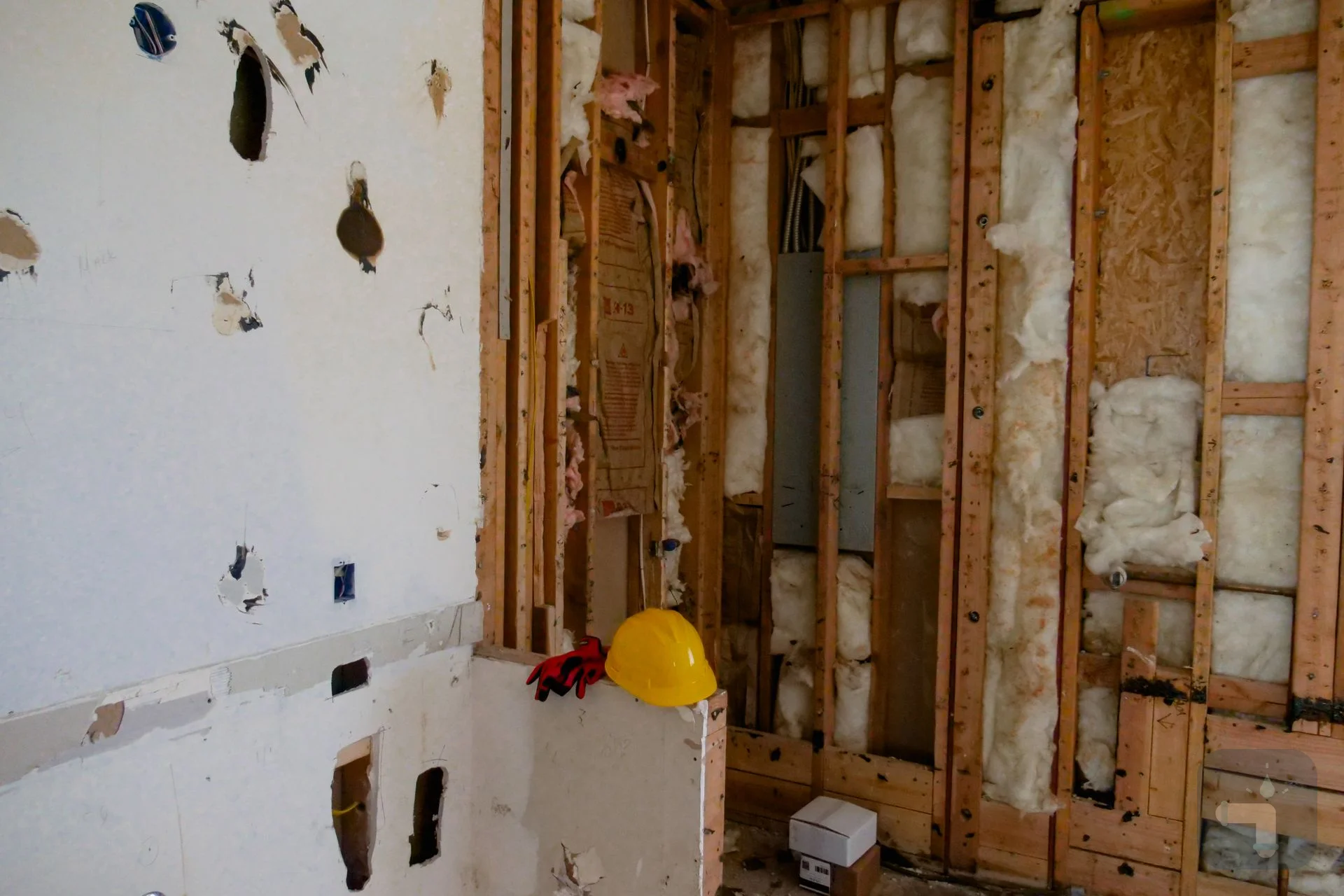
What should I do first after a pipe bursts?
Four things, in this order. Stop the water. Find the main shutoff. In Denver-metro homes it is usually on the street-facing side, in a basement, crawlspace, utility room, or garage, near where the water line enters. Turn it clockwise (gate valve) or perpendicular to the pipe (ball valve). Then open a few faucets to drain pressure from the lines. Kill the power where water is present. If water is near outlets, switches, the breaker panel, or any appliance, turn off electricity to that area at the breaker before you step in. Do not touch electrical equipment while standing in water. This is the step people skip when they panic, and it is the one that can hurt you. Document everything before you clean. Walk through with your phone and photograph and video every wet area: ceilings, walls, floors, furniture, the burst pipe itself. Open closets. Shoot behind furniture. Insurers decide claims on evidence, and “sudden and accidental” versus “gradual” is the distinction most water-damage disputes turn on. Your photos are what prove which one this was. Call for help. A local provider can fix the pipe and advise on the water. If the flooding is beyond what you can manage, say so on the call: burst pipe repair in Brighton connects you with providers who handle both sides.
Is it safe to walk through the water?
Sometimes, with care. Shallow, clean supply-line water in a room with no electrical hazards is manageable in rubber boots. But treat standing water with respect: you do not know what it picked up on the way down (insulation, drywall dust, whatever was on the floor), and any water near electricity is a hard no until the power is off. Keep kids and pets out of wet areas entirely. And if water has been sitting long enough to smell musty, limit your time in the space. That smell means mold is already active, and the CDC links damp-building exposure to respiratory symptoms and asthma flare-ups.
How fast does mold grow after a burst pipe?
Faster than most people expect. Mold can begin growing on damp drywall, wood, and other organic materials within 24 to 48 hours. The CDC notes that buildings left wet for more than 48 hours will generally develop visible, extensive mold growth. This is why drying speed matters more than drying perfection at first. Getting bulk water out and air moving in the first day does more good than a perfect job on day three. In a Brighton winter this cuts both ways: cold air holds less moisture, which helps drying, but a cold house also means wet materials stay cold and damp longer if the heat is off. Keep the heat on while you dry.
What should I photograph for my insurance claim?
Everything, before anything moves. Adjusters work from documentation, and water damage has the highest claim denial rate of any homeowners claim type (around 10%), often over whether the damage was sudden or gradual. Shoot wide shots of each room, then close-ups of the damage: the burst pipe or failed fitting, water lines on walls, buckled flooring, stained ceilings, wet insulation. Photograph the source of the water and anything it touched, including inside closets and behind furniture. Video walkthroughs with narration help too. Say the date and what you are looking at. Keep damaged materials until the adjuster has seen them or told you to discard them. Throwing away a split pipe section before it is documented can cost you the claim. Save receipts for anything you buy during cleanup: fans, dehumidifiers, tarps, hotel nights if the house is unlivable.
Does homeowners insurance cover burst pipe water damage?
Usually, yes for the sudden part. Standard homeowners policies cover “sudden and accidental” water damage: a pipe that bursts and floods the kitchen is the textbook example. What they exclude is gradual damage: a slow leak that ran for months, seepage, and problems from deferred maintenance. The numbers show why documentation matters. The Insurance Information Institute puts the average water-damage claim around $15,400, and State Farm has reported average frozen-pipe claims near $30,000. Those are real payouts for sudden events. But when an insurer decides a leak was gradual, the same damage gets denied. Your photos, the plumber’s notes about the failure, and a timeline of when you discovered it are what keep your claim on the right side of that line. Read your own policy’s water-damage language before you need it. Know your deductible. And report the claim promptly. Waiting weeks to call your insurer never helps.
What does water damage cleanup actually involve?
In general terms, it runs in stages. First, extraction: standing water gets pumped or vacuumed out with extraction equipment. Second, drying: commercial air movers and dehumidifiers run for days to pull moisture out of walls, floors, and framing. This is the stage homeowners underestimate, because surfaces feel dry long before the wall cavity is. Third, removal: drywall, insulation, and flooring that soaked through usually cannot be saved and gets cut out. Fourth, treatment and rebuild: antimicrobial treatment where needed, then new drywall, paint, and flooring. If the burst came from aging pipe, this is also the moment to ask whether pipe replacement or repiping makes sense before the walls close back up. Brighton Burst Pipe does not perform remediation work. We connect you with local independent providers, and some of them handle cleanup and dry-out alongside the plumbing repair. When you call (720) 918-0220, describe how far the water spread and they will tell you honestly whether it is a mop-and-fan situation or a professional dry-out.
When do I need a professional instead of handling it myself?
Handle it yourself when the water is contained, clean, and shallow: a supply line under one sink, caught fast, on a hard floor you can dry completely. Towels, a wet vacuum, fans, and a dehumidifier can finish that job. Call a professional when any of these are true: water ran inside walls or ceilings, flooring is buckling or squishy, insulation got wet, the water sat for more than a day, you smell mustiness, or the affected area is large. Wet drywall and insulation do not dry in place. They hold moisture and grow mold where you cannot see it. Cutting out and replacing a section of drywall is cheaper than remediating mold through a whole wall cavity later.
How long does it take to dry out a house?
There is no single answer, because it depends on how much water, what it soaked into, temperature, and airflow. Surface water can be extracted in hours. Drying wall cavities, subfloors, and framing takes days of continuous dehumidification. Professionals verify with moisture meters rather than guessing by touch, because materials feel dry well before they are. Do not rush this stage. Painting over damp drywall or laying new flooring on a wet subfloor traps the moisture and guarantees a mold problem. If a provider tells you the drying phase takes several days, that is not upselling. That is physics.
The water is gone but the house smells musty. What now?
A musty smell after cleanup means moisture is still somewhere: inside a wall, under flooring, in insulation, or in the subfloor. Smell is a useful diagnostic. It tells you the job is not done. Do not just mask it. Track down the damp material. Common hiding spots after a burst pipe: the wall cavity below the leak, insulation behind the drywall, the subfloor under vinyl or laminate, and the back of baseboards. If you cannot find it, a provider with a moisture meter can. Musty odor plus visible mold growth means the affected material should come out, not be painted over.
Who should I call first: a plumber or a cleanup crew?
Stop the water first. That is the plumber’s job, or yours at the main shutoff. Once the pipe is fixed or capped, the cleanup phase begins. In practice, many burst-pipe calls need both, and calling one number that can coordinate both saves a day of phone tag. That is how emergency burst pipe service works through us: one call to (720) 918-0220, and you get connected with a local provider who can handle the repair and advise on or arrange the dry-out. Describe what you see: where the water is, how deep, how long it has been running. The more specific you are, the faster the right help arrives.
Frequently asked questions
Can I stay in my house after a burst pipe?
Often yes, if the water is contained to one area, the electricity is safe, and you have heat and water service. If ceilings are sagging, large areas are soaked, or there is no heat in winter, staying elsewhere until it is dry is the safer call.
Will my ceiling collapse after a water leak?
A saturated drywall ceiling can sag and eventually fall, especially with insulation holding water above it. If a ceiling is bulging or bowing downward, do not stand under it, and do not poke it without a bucket and a plan, because the water has to go somewhere. A provider can assess whether it needs to come down.
How do I dry out a wall after a burst pipe?
Small, contained wet spots can dry with airflow and a dehumidifier once the source is fixed. But drywall that soaked through usually needs the bottom section cut out so the cavity and insulation behind it can dry. Drying the face of wet drywall does not dry what is behind it.
What is the white powdery stuff on my wall after water damage?
That is often efflorescence: mineral salts left behind as water evaporates through masonry or concrete. On drywall, white or gray fuzz is more likely mold. Either way, it signals that water moved through that material, and the area deserves a closer look.
Does a dehumidifier really help, or do I need professionals?
A dehumidifier genuinely helps. It is the right tool for the drying stage. What it cannot do is find moisture inside walls or replace soaked insulation. Use one, but do not treat it as a substitute for checking what the water reached.
My landlord owns the house. Who handles cleanup?
Responsibility for burst-pipe damage in rentals usually falls on the property owner, and tenants are generally expected to report problems promptly. Delays in reporting can become the tenant’s liability. Document everything, notify the landlord in writing immediately, and keep copies.
The pipe burst while we were away. Is it worse?
Usually, yes. Water ran longer, so more material is soaked and mold had a head start. The same steps apply, but expect a bigger dry-out. This is also when insurance documentation matters most, since the timeline will be questioned.
Can water from a burst pipe damage my foundation?
A single indoor burst rarely threatens the foundation structurally, but water pooling against foundation walls or in a crawlspace can cause problems over time, and saturated soil expands. If significant water reached the crawlspace or exterior, mention it to the provider.
Should I file an insurance claim for a small leak?
Weigh the repair cost against your deductible and the risk of a claim on your record. For damage clearly above the deductible from a sudden burst, most homeowners file. For borderline amounts, a straight conversation with your agent before filing is worth having.
Who do I call for burst pipe cleanup help in Brighton, CO?
Call (720) 918-0220. Describe the water: where it is, how much, how long it has been there. You will be connected with a local independent provider who can handle the repair and advise on the dry-out. *Brighton Burst Pipe connects callers in Brighton, Commerce City, Thornton, Henderson, Fort Lupton, and Lochbuie with local independent plumbing providers. We are a referral service and do not perform plumbing or remediation work.*
Water where it should not be?
Shut off your main valve, then call. We will connect you with an independent local provider in the Brighton area — the call itself costs nothing.
Call (720) 918-0220 now