Main Water Shutoff & Leak Detection in Brighton, CO
Two skills decide how bad a plumbing emergency gets: knowing where your main water shutoff is, and recognizing a hidden leak before it becomes a visible one. Most homeowners have neither until the day they need both. This page fixes that. Where the shutoff usually sits in Brighton-area homes, how to work it, the outdoor backup valve, and the signs of a leak you can’t see. If water is flowing right now, skip ahead: shut it off, then call (720) 918-0220. Brighton Burst Pipe connects Brighton-area callers with independent local providers. We don’t perform the work ourselves.
Call (720) 918-0220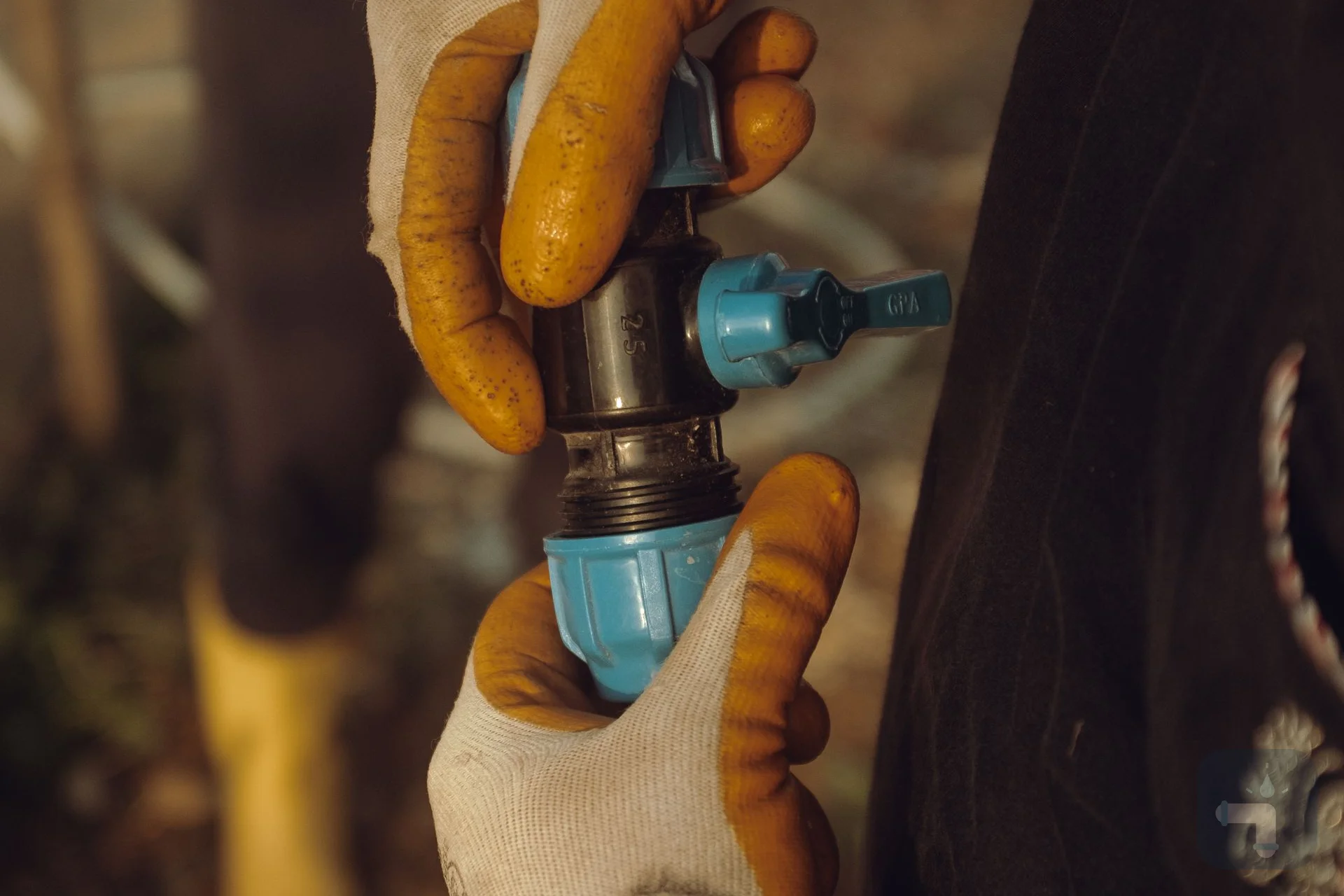
Where is the main water shutoff valve in my home?
Usually on the street-facing side of the house, where the water line enters from the city main. Look low, near the floor or foundation wall. In Denver-metro homes, plumbers point homeowners to the same handful of spots: a basement or crawlspace along the front wall, a utility room, a garage, or near the water meter where the service line comes in. In cold climates like ours, the valve sits indoors on purpose. An outdoor valve would freeze, which defeats the point. Walk your house and find it before an emergency. It takes five minutes on a calm Saturday and saves panicked minutes when water is running. If your home is on a slab with no basement or crawlspace, check the garage or the area around the water heater. The line has to enter somewhere, and the valve sits close to that entry point.
What does the valve look like, and how do I turn it off?
There are two common types. A gate valve has a round wheel handle, like an outdoor spigot. Turn it clockwise until it stops. A ball valve has a straight lever handle. Turn it a quarter-turn so the lever sits perpendicular to the pipe. Perpendicular means off. Parallel means open. Test yours once a year. Old gate valves seize from mineral buildup, and discovering that during a burst is the worst possible timing. If the wheel won’t budge with firm hand pressure, don’t force it with a wrench. You can snap the stem and turn a working valve into a broken one. That’s a job for a provider, who can replace a tired gate valve with a ball valve that turns easily for decades.
What if I can’t find my indoor shutoff?
There’s an outdoor backup: the curb stop valve. It sits at or near your property line, between the sidewalk and the street, under a round or rectangular metal or concrete lid. The lid is often stamped “WATER.” A word of caution. The curb stop belongs to the water system side of things, and it takes a special long-handled curb key to operate. Providers carry one. Many homeowners prefer to let the provider handle it rather than wrestle a valve that’s been buried for twenty years. If water is actively flowing inside and you can’t find the indoor valve, call (720) 918-0220. Say exactly that. The provider will know what to bring.
What are the signs of a hidden leak?
A hidden leak rarely announces itself. It hints. Watch for water stains on ceilings or walls, especially ones that darken after rain-free days. A musty odor in one room that cleaning doesn’t fix. A water bill that jumps for no reason. Pressure that’s fine in the morning and weak by evening, or rust-colored water from a tap. Listen, too. Water hammer, that banging or knocking when a faucet shuts, means pressure spikes are hammering your joints. Over time that stress loosens fittings and opens leaks. A warm spot on a concrete floor can mean a hot-water line leaking underneath. One suspiciously green patch of lawn in August can mean the service line is feeding it. Any one of these is worth a provider’s look. Leaks don’t shrink.
How does professional leak detection work?
Non-invasive first. A provider starts with a moisture meter on suspect walls and floors, mapping where the dampness concentrates. Thermal imaging cameras come next: wet areas hold temperature differently, and the camera paints that difference in color. For supply lines, acoustic listening equipment can pick up the hiss of pressurized water escaping inside a wall or under a slab. The point of all three is the same: pinpoint before opening anything. The old approach was to cut drywall until the leak showed itself. Detection equipment narrows the search to a small area, which means a smaller hole, a cheaper patch, and less of your house torn apart. If the leak turns out to be a split supply line, you’re back in burst pipe repair in Brighton territory, and the same first-minutes rules apply.
Should I shut off my water when I leave town in winter?
It’s one of the simplest protections you have. No water in the pipes, no burst while you’re gone. If you’ll be away during freezing weather, shut the main valve and open the lowest and highest faucets to drain the lines. Keep the thermostat at 55°F or higher as a second layer. Pipes with no water and a warm-ish house are about as safe as plumbing gets. One exception to check: if your heating system itself uses water, like a boiler with radiators, ask your provider before draining anything. For standard forced-air homes, the shutoff-and-drain routine is straightforward and takes ten minutes.
What is a pressure regulator, and does it matter for leaks?
It matters more than most homeowners realize. Your home’s water pressure should sit between 40 and 60 psi. Above 80, local plumbers say you need a regulator, and it installs near the main shutoff valve. High pressure doesn’t just feel strong in the shower. It hammers joints, shortens the life of appliance valves and water heaters, and turns small weaknesses into leaks. If your pressure runs hot, a regulator is cheap insurance for every pipe in the house. A provider can test your pressure in minutes during any service visit. Brighton’s municipal system publishes its own pressure-regulating specs for the city side. Your side of the meter is your responsibility, and the regulator is where that responsibility lives.
Frequently asked questions
How do I know my shutoff valve still works?
Test it once a year. Close it, check that water stops at a faucet, then reopen it. If a gate valve is stiff or a ball valve won’t complete its quarter-turn, have a provider service or replace it before you need it in a hurry.
Can I turn the curb stop valve myself?
You can buy a curb key at a hardware store, and the operation is simple. But the valve may be corroded, buried under soil, or paved over, and it’s on the utility side of the property line. Most homeowners let the provider handle it.
What should I do if the valve is stuck?
Stop. Don’t force it, and don’t slip a pipe over the handle for extra force. A snapped valve stem turns a working shutoff into an open line with no way to close it. Call a provider.
How fast should I act on a suspected hidden leak?
Fast. Water damage compounds by the hour, and mold can start within 24 to 48 hours on wet materials. A stain that looks small on the surface is often bigger inside the wall.
Will leak detection tear up my walls?
Not as a first step. Meters, thermal cameras, and acoustic tools all work through surfaces. Cutting happens only after the leak is pinpointed, and only as much as the repair needs.
My water bill jumped but I see no leak. What now?
That’s a classic hidden-leak pattern. Try the meter check: turn off every faucet and water-using appliance in the house, then watch your water meter. If it’s still moving, water is going somewhere it shouldn’t be, and it’s time to call (720) 918-0220.
Where does Brighton’s water come from?
The City of Brighton runs its own municipal water system, serving more than 12,500 connections. Raw water comes primarily from shallow groundwater wells, two well fields near the South Platte River and the Beebe Draw aquifer, supplemented with purchased water from the City of Thornton and Denver Water. Treatment happens on Bromley Lane. Knowing your provider matters when you need the curb stop operated or the meter checked.
What is water hammer, and is it dangerous?
It’s the banging or knocking you hear when a faucet shuts suddenly. Fast-stopping water sends a pressure spike through the line. Occasional hammer is noise. Chronic hammer stresses joints and valves, and it’s worth having a provider look at before it opens a leak.
I hear water running but can’t find the source. Is that an emergency?
Treat it like one. Shut off the main valve. If the sound stops, you’ve confirmed a leak on your side of the meter. Call (720) 918-0220 and describe what you heard and where.
Do you connect callers outside Brighton?
Yes. We connect callers across Brighton and nearby areas: Commerce City, Thornton, Henderson, Fort Lupton, and Lochbuie, throughout Adams and Weld counties. Know where your shutoff is before you need it. And if water is already where it shouldn’t be, call (720) 918-0220. We’ll connect you with a local provider for emergency burst pipe service in the Brighton area.
Water where it should not be?
Shut off your main valve, then call. We will connect you with an independent local provider in the Brighton area — the call itself costs nothing.
Call (720) 918-0220 now