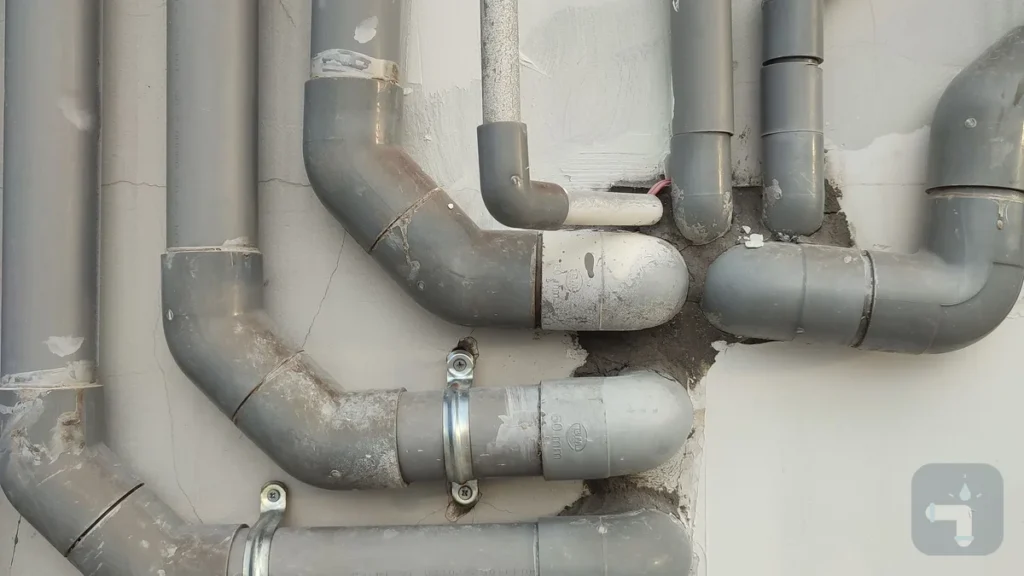
If your Brighton home was built between 1978 and 1995, there is a fair chance its water lines are gray plastic polybutylene — a material with a documented failure history and a class-action settlement behind it. This guide explains how to identify it, what the actual risks are, and how to decide between repairing, replacing, and waiting.
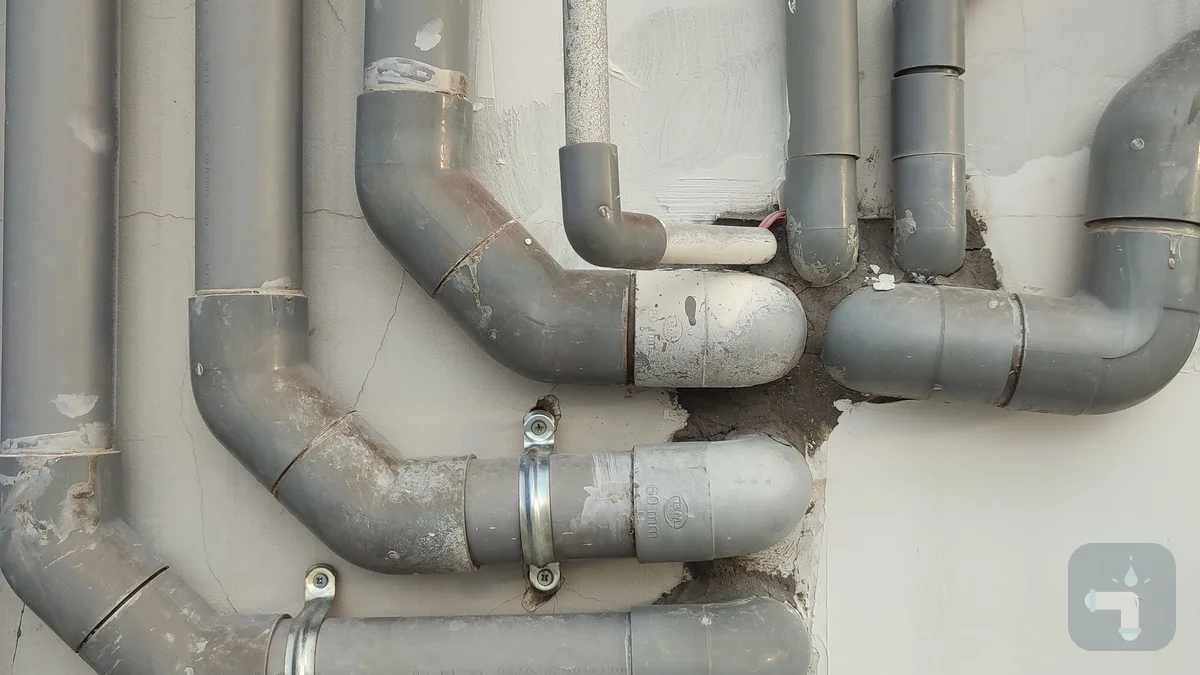
The problem is chemistry, not workmanship. Chlorine and other oxidants in treated municipal water attack the pipe’s inner wall over years, making it brittle from the inside out — so a pipe can look perfect on the surface while its inner wall is flaking and thinning. The failure, when it comes, is usually a sudden split or a fitting blowout rather than a slow leak, and it tends to arrive in the system’s fourth decade — which is where 1978–1995 installations are now. The material was the subject of major class-action litigation (the Cox v. Shell settlement era) and is no longer installed; its reputation is why inspectors note it and some insurers price or decline coverage based on it. What the headlines skip: not every poly-B system has failed, and failure rates vary with water chemistry, fittings, and pressure. This is a manage-the-risk material, not a panic material.
| Your situation | Sensible move | Why |
|---|---|---|
| Poly-B present, no failures yet | Plan, don’t panic — budget a repipe within a few years; monitor | Risk is statistical; an orderly planned repipe costs less than an emergency one |
| First failure (one split or fitting) | Repair the spot, then start the repipe conversation seriously | The first failure says the inner wall is going — more are statistically likely |
| Second failure, anywhere | Replace the system | Two failures mean system-wide degradation; spot repairs become a subscription |
| Buying or selling a 1978–1995 home | Identify the pipe in inspection; price the repipe into negotiations | Both sides’ inspectors and insurers will flag it — better priced in than discovered later |
| Insurance flags your poly-B | Get a repipe quote to show the insurer; ask about timelines | Some carriers exclude water damage from poly-B or require replacement — a quote shows good faith and a plan |
Has it failed yet?
Zero failures = monitor and plan. One = warning shot. Two = the system is telling you directly.
What fittings do you have?
Plastic fittings with aluminum rings fail most. Copper fittings buy time, not immunity.
What would a failure flood?
Poly-B over a finished basement or hardwood deserves a faster plan than poly-B over a crawl space with a drain.
A full replacement is a repipe — new PEX or copper throughout, typically staged over one to three days with walls opened in small patches. Our cost guide covers how repair-vs-replace economics usually play out, and the key line from it applies here exactly: paying for spot repairs one at a time, on a system that keeps failing, costs more than one planned replacement — usually with a flood in between.
Brighton Burst Pipe is a referral service. If you have found gray pipe and want a real assessment — what you have, what condition it is in, and what a repipe would actually cost — call (720) 918-0220 and we will connect you with an independent local provider. The call costs nothing, and “monitor it” is an answer we are perfectly happy for you to hear if that is what the pipe says.
Look for flexible gray plastic supply pipe in the basement, crawl space, or near the water heater, often stamped “PB2110”. Plastic fittings with aluminum crimp rings are the earliest, highest-risk version; copper fittings came later. Homes built 1978–1995 are the candidates.
Not by law, and not instantly — but the material degrades from the inside out and fails suddenly, so every system is on borrowed time. The standard advice is to plan a repipe rather than wait for failures to schedule themselves.
A single spot repair is a reasonable short-term measure, with proper transition fittings. But each failure is evidence the inner wall is degrading system-wide; after a second failure, repeated repairs almost always cost more than replacing the system — usually with water damage added.
It varies by carrier — some exclude water damage caused by poly-B, some require replacement, some price it into premiums. A burst from poly-B is still a sudden event for claim purposes in many policies, but check your own wording and tell your insurer what you have rather than discovering it during a claim.
Usually PEX — flexible, freeze-tolerant, and fast to install — or copper. A repipe replaces the supply system in stages, typically over one to three days, with small wall openings that are patched afterward.
Blue, black, or white poly-B was also used for some main water lines from the street. Underground failures show up as unexplained bill increases, wet spots in the yard, or pressure loss — the main line has its own repair and replacement path.
Call and we will connect you with an independent local provider in the Brighton area who can tell you what you have and what it means — the call itself costs nothing.
 Brighton Burst PipeBurst Pipe Repair · Brighton, CO