The single most important plumbing skill a homeowner can have takes about thirty seconds to learn — and saves thousands of dollars when a pipe bursts. Find your valve today, not during the flood.
Here is a quotable fact: the main water shutoff valve is the only fixture in your home that can stop a burst pipe. Not the plumber’s number on your fridge, not a wrench, not a prayer — the valve. And yet most homeowners have never touched theirs. Surveys of homeowner emergency readiness consistently find that a large share of owners cannot locate their main shutoff, which means the first minutes of every burst-pipe emergency are spent searching instead of acting.
A burst supply line can release hundreds of gallons per hour. The difference between a homeowner who knows their valve and one who does not is often the difference between a wet floor and a flooded home. Thirty seconds of learning, on a calm day, buys you that difference.
Find it today. Street-facing side, where the line enters. Low, near the front wall.
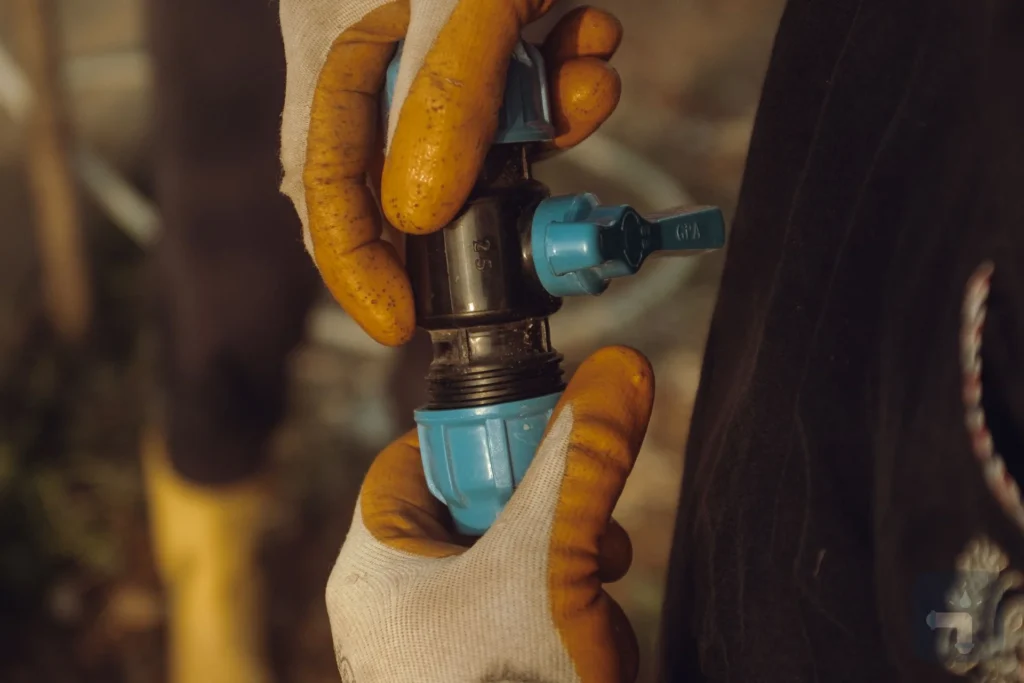
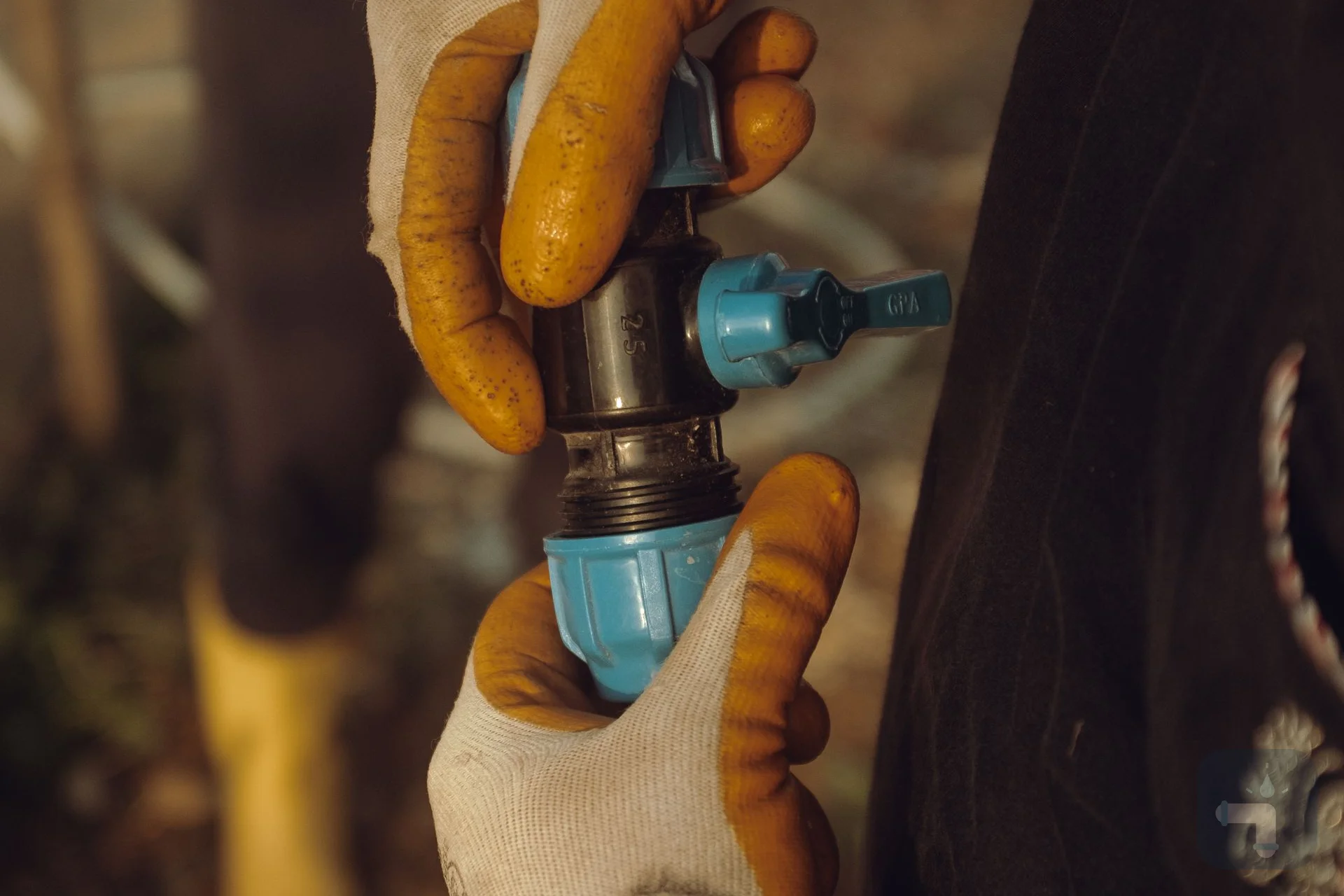
Identify the type. Wheel = gate valve (turn clockwise). Lever = ball valve (quarter turn).
Test it now. Close it, check a faucet goes dry, then reopen. Annual test keeps it working.
Label it. Bright tape: “MAIN WATER — TURN CLOCKWISE.” Readable in a flashlight beam.
The main valve sits where your water line enters the house — on the street-facing side, low, near the front foundation wall. In cold climates like Colorado, it is deliberately placed indoors so it cannot freeze. Walk your home and check, in order:
Cannot find it? Call (720) 918-0220 — a provider can help locate it, and if you have an active emergency, they can shut off at the curb stop or meter from outside.
| Feature | Gate Valve (wheel handle) | Ball Valve (lever handle) |
|---|---|---|
| Appearance | Round wheel, like a hose spigot | Straight lever handle on the pipe |
| How to close | Turn clockwise, several full rotations | Turn 90° so the lever is perpendicular to the pipe |
| Speed | Slow — 5 to 10+ turns | Fast — one quarter turn |
| Common in | Older homes | Newer homes and replacements |
| Reliability | Prone to seizing if untouched for years | More reliable; less likely to stick |
| How to confirm closed | Wheel stops turning; faucet runs dry | Lever perpendicular to pipe; faucet runs dry |
If you have an older gate valve, consider having it replaced with a ball valve during your next plumbing visit — the quarter-turn action is faster in an emergency and far less likely to seize.
Valves seize because they sit untouched for years — mineral deposits and corrosion weld the mechanism in place. The prevention is an annual test: close the valve, confirm a faucet goes dry, then reopen fully. If your valve is already stuck, do not wait for an emergency to address it. Have it replaced now; a shutoff you cannot operate is decoration.
Closing the valve stops the supply, but pressure remains in the lines. Finish the job:
For the complete sequence, see our first-5-minutes emergency guide and the night and weekend protocol.
Often, yes — and it is worth knowing your fixture valves too:
Fixture valves stop one fixture; only the main valve stops the whole house. In a burst-pipe emergency, go straight for the main — you can sort out zones later.
Open a faucet on the lowest floor of the house. It should slow to a trickle and stop within a minute or two as residual pressure drains. If it keeps flowing strongly, the valve is not fully closed — or you closed the wrong valve.
Shutting off the cold supply does not damage the heater itself, but do not drain the tank or run hot water extensively with the main off — an electric heater with an exposed element can burn out. For a short emergency shutoff, it is not a concern.
The curb stop (or meter valve) is the shutoff at the street, usually in a pit near the sidewalk. It belongs to the water utility in most areas — homeowners generally should not operate it, and some require a special key. In an emergency with a stuck indoor valve, the provider or utility can shut it off for you.
Once a year. Close it, confirm a faucet goes dry, reopen it fully. This single habit prevents the seized-valve emergency that turns a manageable burst into a disaster.
A small drip from the valve stem packing when operated after years of stillness is common and often stops once the valve is fully reopened. A continuous leak means the packing needs tightening or the valve needs replacement — have a provider look at it soon.
Shut off your main valve, then call. We will connect you with an independent local provider in the Brighton area — the call itself costs nothing.
 Brighton Burst PipeBurst Pipe Repair · Brighton, CO