 Brighton Burst PipeBurst Pipe Repair · Brighton, CO

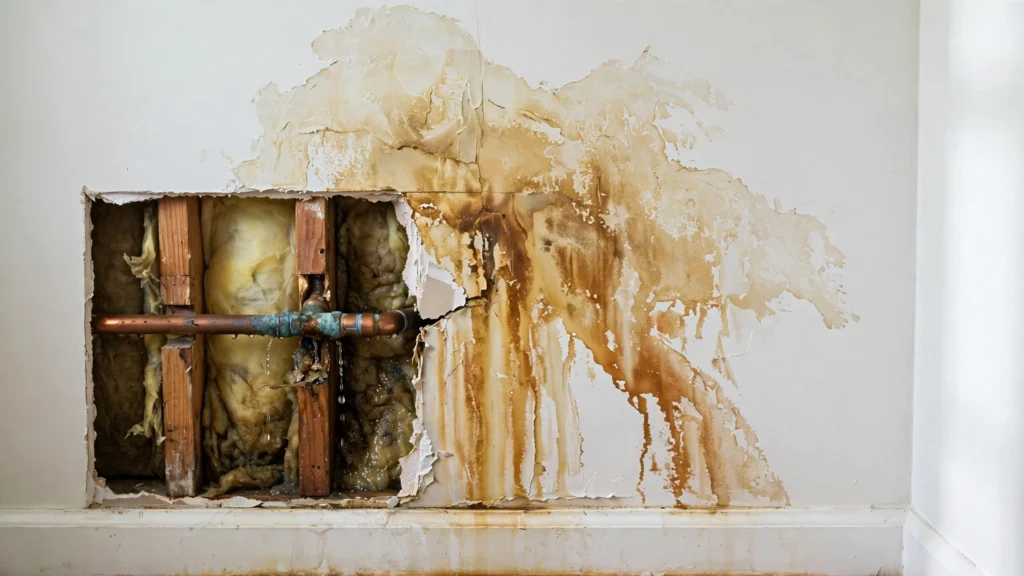
A sewer line does not usually fail all at once. It gives you warnings — a drain that slows, a gurgle you have not heard before, a smell in the garden, a patch of grass that grows faster than the rest — and if you catch those warnings early, you can often fix the problem with a clean or a spot repair. If you miss them, the next sign is usually sewage backing up into the house, and by then the job is bigger, messier, and dearer.
This guide explains the six warning signs of sewer line trouble that Brighton homeowners most often miss, what each one means, and what to do about it. It uses only the figures published on this site. Brighton Burst Pipe is a referral service, not a plumbing company: when you call (720) 918-0220, we connect you with an independent local provider who can run a camera, show you what it found, and quote for the work.
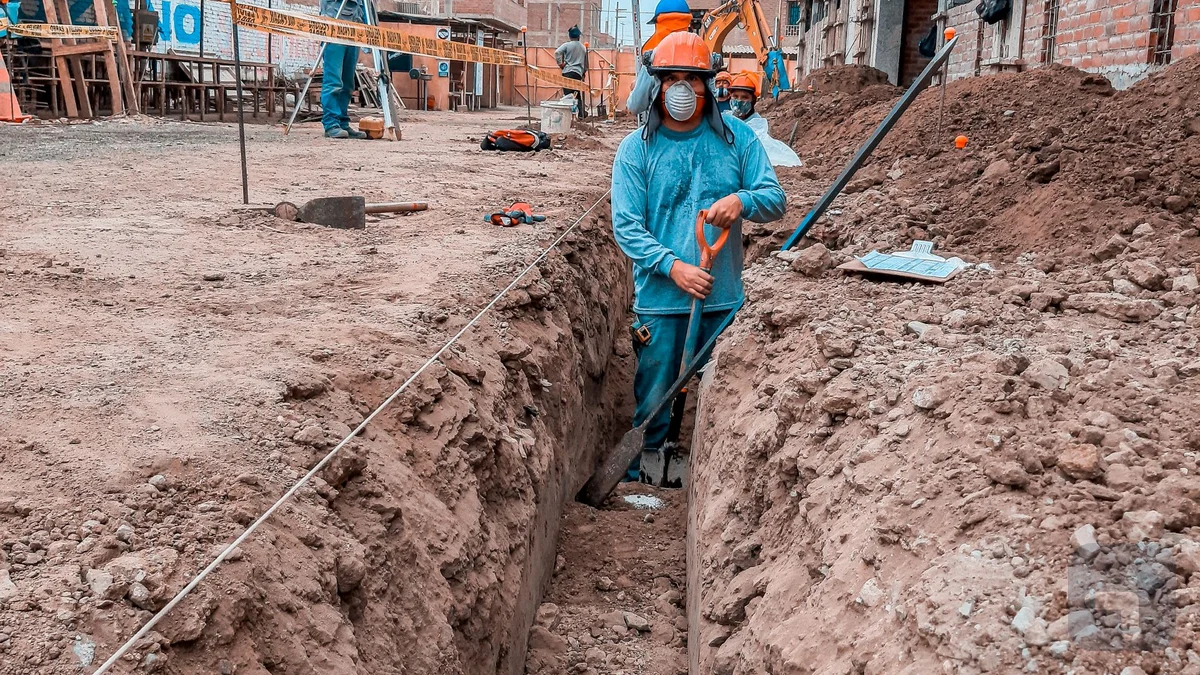
Are several drains slow at the same time?
One slow drain is usually a local blockage: hair in a shower, grease in a kitchen sink. Several slow drains at the same time — the kitchen sink, a bathroom basin, and a shower, all draining slowly — usually point to the main drain or the sewer line. The water cannot get away from the house, so every fixture is affected. If the lowest drain in the house is the slowest, or the first to back up, that is a strong sign the problem is in the main line.
Do not keep clearing each fixture one by one. If several fixtures are affected, ask for the main drain to be checked. A main sewer drain cleaning typically costs $250–$500 nationally, according to the figures published on this site, and a camera inspection $100–$350. The camera shows whether the cause is a blockage, roots, or a damaged pipe — and without it, you cannot tell which one it is.
Do your drains gurgle or bubble?
Gurgling is the sound of air trapped in the drain, and it is one of the earliest signs of a sewer line problem. You may hear it when the toilet is flushed, when the washing machine runs, or when water drains from a bath — a bubbling or gurgling sound from a nearby drain, or from the toilet itself. It happens because a partial blockage, or a pipe that is not venting properly, is forcing air back through the water in the trap.
A single gurgle after a heavy use is not a cause for alarm, but regular gurgling, especially from the toilet when another fixture is used, should be investigated. It often appears weeks or months before a full blockage, and it is the sign most homeowners dismiss as a quirk of the house. Note when it happens and which fixtures are involved, and tell the provider — that pattern helps them find the cause faster.
Is there a bad smell in your home or garden?
A sewer smell that will not go away is a warning, not just a nuisance. Inside the house, it may come from a dry trap — a drain that has not been used for a while, so the water seal has evaporated — and running water down it will fix that. But a smell that persists, or one that is strongest near a particular drain, a basement, or a wall, can mean a cracked pipe is letting sewer gas into the house. Outside, a smell near the line of the sewer, or near a drain cover, can mean a pipe is leaking underground.
Do not ignore a sewer smell, and do not try to mask it. If the smell is strong, ventilate the area and call for help. Sewer gas is unpleasant and can be a health risk, and a cracked pipe that is leaking gas is also leaking water — which is damaging the ground and the pipe itself. A camera inspection, at $100–$350, can find a crack that you cannot see from above ground.
Is there a soggy or unusually green patch in your garden?
A patch of garden that is soggy when the rest is dry, or a patch of grass that is greener and faster-growing than the rest, is a classic sign of a leaking sewer line. The pipe is leaking water and nutrients into the soil, and the grass above it grows better than the grass around it. The patch usually follows the line of the sewer from the house to the street, and it may be the only sign you can see above ground.
Check it in dry weather, when the rest of the garden is not wet from rain. If one patch stays wet, or one strip grows faster, note where it is — that helps the provider find the line and the leak. A leaking pipe will not seal itself, and the water it loses is also washing soil away from around the pipe, which can cause the pipe to sag or collapse. The sooner it is found, the smaller the repair is likely to be.
Does your toilet keep blocking or flushing slowly?
A toilet that blocks often, flushes weakly, or needs a second flush is often blamed on the toilet itself — and sometimes it is the toilet. But if the toilet blocks at the same time as other drains are slow, or if it blocks again soon after it has been cleared, the problem may be further down the line. A partial blockage in the main drain, roots, or a pipe that is narrowing with scale can all show up first as a toilet that will not flush properly.
Check the simple things first: only toilet paper and human waste should be flushed, and wipes — even ones labelled flushable — should never be flushed. If the household is flushing correctly and the toilet still blocks, ask for the main drain to be checked, not just the toilet. A camera inspection, listed at $100–$350, can show whether the problem is in the toilet, in the branch drain, or in the main sewer line.
Is water coming up in the lowest drain in your house?
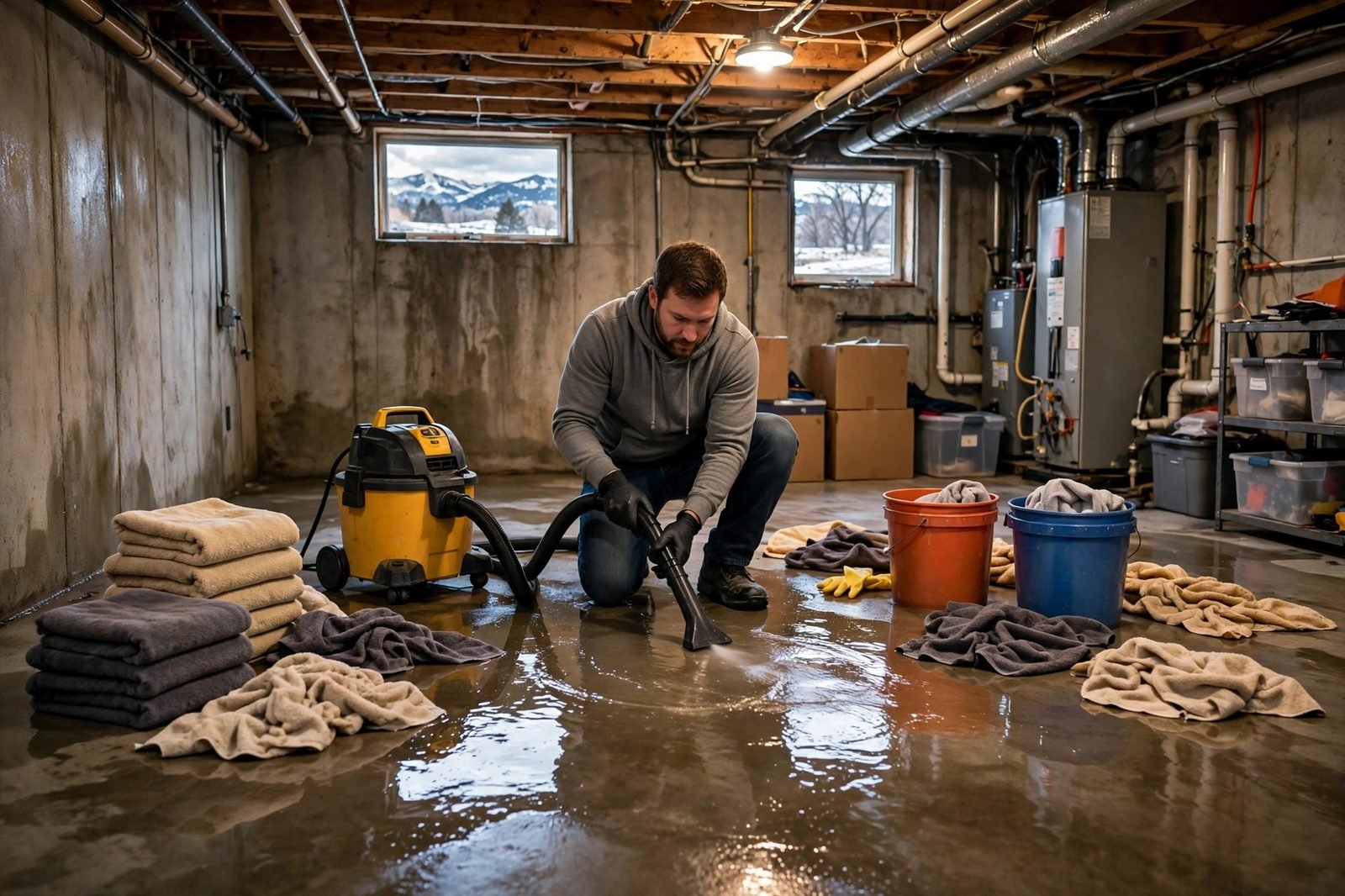
This is the sign that should never be ignored. Water or sewage coming up through a basement floor drain, a ground-floor shower, or a toilet is a backup, and it means water cannot get away from the house at all. Stop using water — no showers, no washing machine, no dishwasher, and no flushing — keep people and pets away from the sewage, and call for help straight away.
A backup is usually caused by a blocked main drain, roots, or a damaged pipe, and it will not clear on its own. A main sewer drain cleaning typically costs $250–$500 nationally, according to the figures published on this site, and a camera inspection $100–$350. Water damage clean-up after a backup is listed at $3–$7.50 per square foot, so stopping the water early and calling quickly is worth far more than the call-out charge. An emergency call-out is listed at $100–$300.
What should you do if you spot one of these signs?
- Note the pattern. Which fixtures are affected, how often, and what was done last time. A record helps the provider find the cause faster.
- Stop using water if there is a backup. Do not keep flushing or running taps.
- Ask for a camera inspection. At $100–$350, it shows the inside of the pipe — roots, cracks, a collapse, a belly, or a pipe full of scale — and it stops you paying for repeated clearing on a pipe that needs repair.
- Ask to see the footage. Ask for the distance and depth of any problem found, so you have a record if repair is quoted later.
- Do not use chemical drain cleaners. They rarely clear a serious blockage, they can damage pipes, and they make the drain unsafe for the provider.
How much does it cost to fix sewer line trouble?
The cost depends on the cause. A camera inspection is $100–$350, a main sewer drain cleaning $250–$500, hydro jetting $350–$800, a spot repair $1,000–$4,000, and a full replacement $3,000–$25,000, with trenchless replacement at $60–$250 per foot — all national ranges published on this site. Labour is listed at $100–$350 per hour, and an emergency call-out at $100–$300. Those figures are not a quote for your home, but they show why finding the cause early matters: a camera inspection that finds a small crack is far cheaper than a replacement after a backup.
Brighton homes add two local factors to the cost. Many were built in the 1960s and 1970s with clay tile or cast-iron sewer lines, which are more vulnerable to roots and cracking than modern PVC, and the line must be buried below the frost line, which makes a deep line dearer to replace. If your house is of that age, or you have large trees near the line, tell the provider — it changes what they bring and what they look for.
Frequently Asked Questions
What are the first signs of sewer line trouble?
Several drains slow at once, gurgling or bubbling, a bad smell that will not go away, a soggy or unusually green patch in the garden, a toilet that keeps blocking, and water coming up in the lowest drain. One sign on its own may be a simple blockage; several together point to the main line.
How do I know if my sewer line is damaged?
Only a camera inspection can prove it. A camera, listed at $100–$350, shows roots, cracks, a collapsed section, a belly, or a pipe full of scale inside the line, with the distance and depth of each problem.
What should I do if sewage is backing up?
Stop using water, keep people and pets away from the sewage, and call for help straight away. Do not keep flushing or running taps, and do not try to clear a main sewer blockage yourself.
How much does a sewer line repair cost?
A spot repair is listed at $1,000–$4,000 nationally, a full replacement at $3,000–$25,000, and trenchless replacement at $60–$250 per foot, according to the figures published on this site. The final price depends on length, depth, method, and what is above the line.
Who is responsible for the sewer line?
In most cases the homeowner owns and is responsible for the lateral — the pipe from the house to the public sewer main. The city or utility usually owns the main itself. A provider can tell you, from the camera footage and the distance, where your responsibility ends.
Can a sewer line problem be prevented?
Keeping wipes, sanitary products, and grease out of the drains helps, and having the line inspected by camera if drains start to slow — or if you are buying or selling the house — catches problems before they become a backup. Do not plant large trees over or near the line.
Spotted a warning sign in Brighton?
If several drains are slow, you hear gurgling, or you have found a soggy or green patch in the garden, do not wait for a backup to confirm the problem. Call (720) 918-0220 and we will connect you with an independent local provider in the Brighton area who can run a camera, show you what it found, and quote for the clearing or repair. Tell them the age of your home, whether you have large trees near the line, and what the drains have been doing — that helps them bring the right equipment and give you a clear price.